
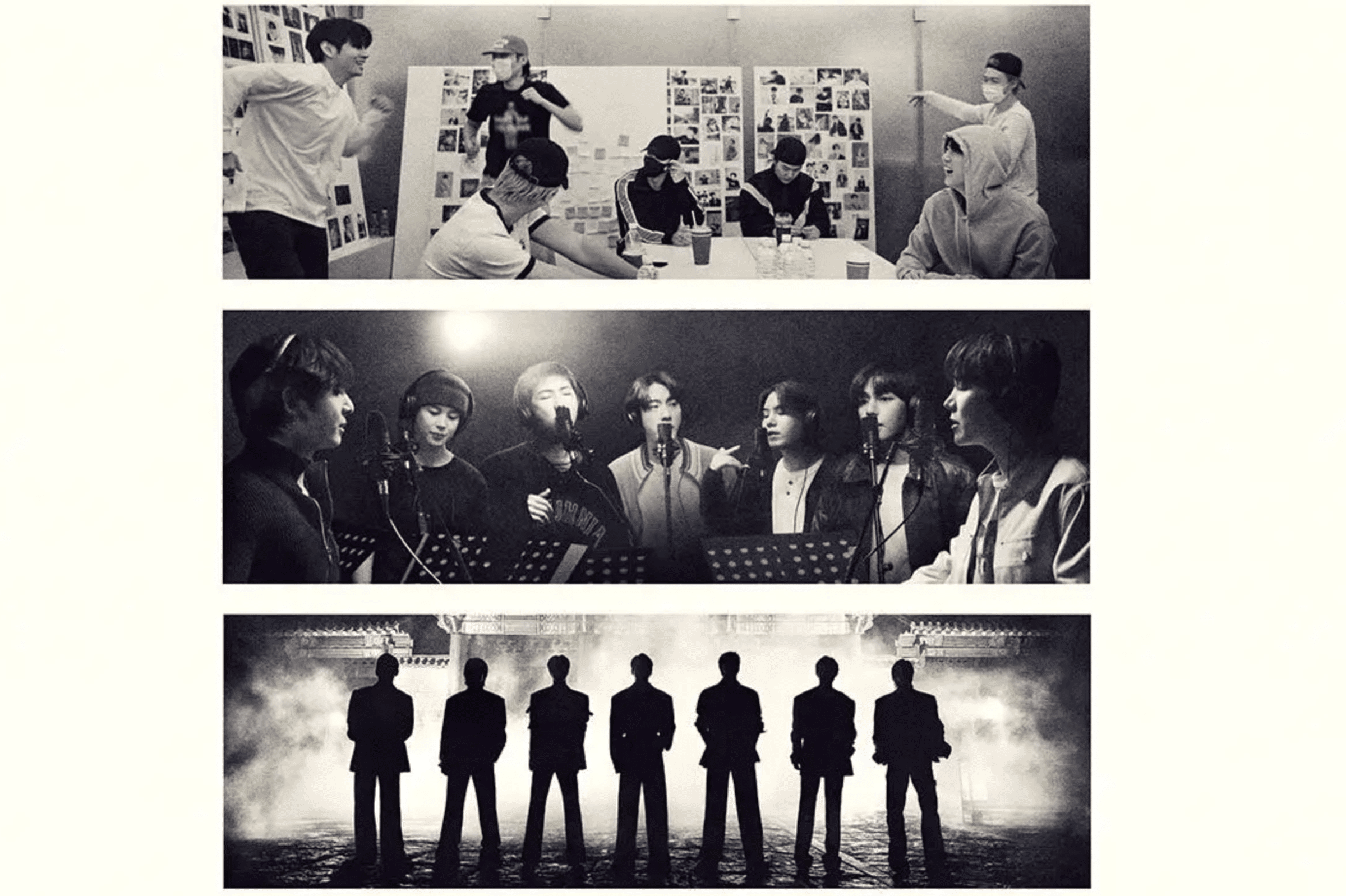
SEOUL, South Korea — BTS fans are getting an intimate look at the group’s reunion and creative process in the Netflix documentary “BTS: The Return,” directed by Bao Nguyen. The film follows RM, Jin, SUGA, j-hope, Jimin, V, and Jung Kook as they reunite after a four-year hiatus and navigate the challenges of producing their latest album while reflecting on how much has changed.
One poignant theme throughout the documentary is acknowledging the realities of being apart. RM tells viewers, “This is our second chapter. But the thing we have to hold onto is that at our core, we’re still country bumpkins from Korea. That unchanging truth.” The documentary opens with the septet enjoying a beach break before showing the pressures of their global fame, hiatus, and eventual reunion.
Jin’s role and challenges
Fans noticed that Jin had no writing credits on the album, which he explained was because he returned from his “#RUNSEOKJIN_EP.TOUR” after most tracks were already underway. “Since I joined later than the rest of the group, I was a bit scared because I wasn’t sure what my role was in all of this,” Jin admitted. Despite this, he helped reassure his bandmates about the album, showing his understanding and teamwork.
Language and authenticity struggles
BTS wrestled with the balance between Korean and English lyrics, aiming to maintain authenticity while also appealing globally. SUGA expressed concern over too much English, especially in the rap verses, while RM emphasized authenticity as a priority. The group even joked about mispronunciations and their comfort level with English, highlighting the human side of their creative process.
Debates over tracks
Several tracks, including “Arirang” and the title track “SWIM,” became points of debate. RM, V, and j-hope discussed the energy, cultural resonance, and how global audiences would perceive the songs. They acknowledged that their creative decisions were influenced both by tradition and innovation, leading to spirited discussions but ultimately stronger artistic choices.
The pressure of comeback after hiatus
Returning after military service and solo projects, the septet faced intense pressure to release music quickly. Jimin admitted the stress of the unique situation, while SUGA reflected on feeling like music-making had become “systematic, like working in a factory,” contrasting with the enjoyment of free creative expression. Jung Kook worried about public reception, concerned that fans might feel the group had declined in quality.
Reflection and growth
The documentary highlights how going solo and returning together has reshaped BTS’s perspective. RM and the members ultimately decided to embrace traditional Korean elements, such as sampling the folk song “Arirang,” recognizing its cultural significance. j-hope reflected on the importance of movement and unity, while SUGA expressed confidence in the group’s longevity: “In the past, I thought there would be an end. But now, I believe we will keep going until we’re old and gray. As long as that’s all in our heart.”
“BTS: The Return” offers fans a behind-the-scenes view of how the group balances global expectations, personal growth, and creative authenticity, reaffirming their bond and shared history after years apart.