
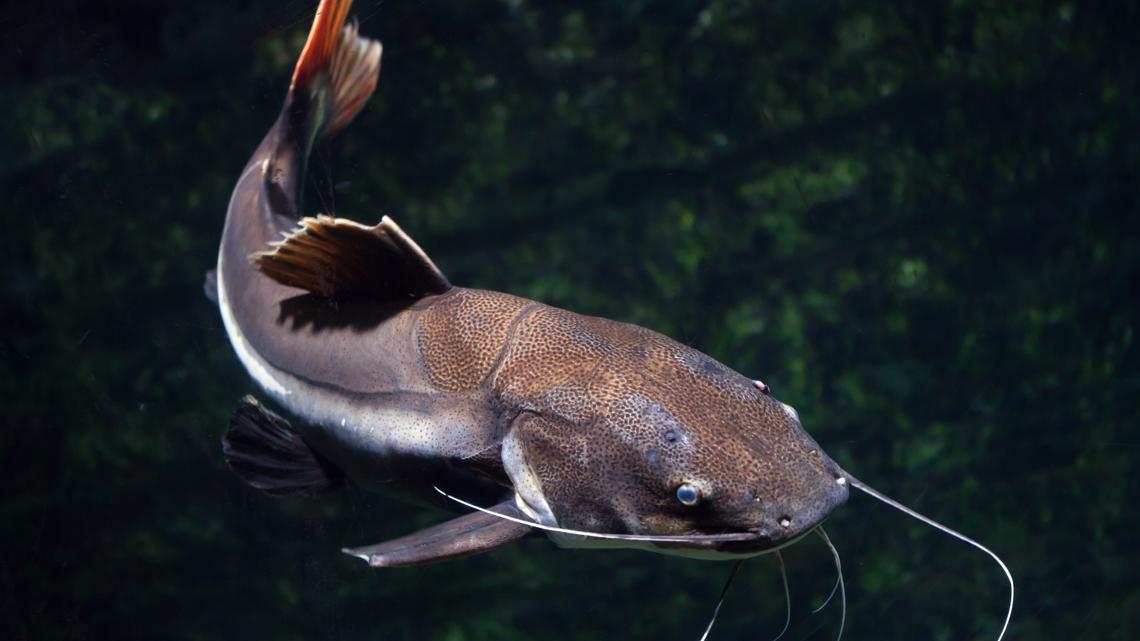
Authorities in Kentucky announced Thursday in Dallas that more than 300,000 pounds of catfish were illegally harvested from Kentucky waterways, leading to criminal charges against 25 individuals in what officials described as one of the largest commercial fishing cases in the state’s history.
The Kentucky Department of Fish and Wildlife Resources said the investigation uncovered widespread violations tied to commercial fishing operations across multiple locations in the state. Officers documented unlawful harvesting practices over an extended period, involving both licensed and unlicensed participants.
Wildlife officers conducted surveillance, inspections and evidence collection to track how the fish were harvested, transported and sold. Investigators reviewed catch logs, transportation records and market receipts to estimate the volume of fish taken outside legal limits, determining that the total exceeded 300,000 pounds.
Authorities said the investigation revealed repeated violations of state regulations governing size limits, approved fishing methods and commercial licensing requirements. Officers identified patterns suggesting the illegal harvest was systematic rather than isolated.
More than 700 criminal charges are expected to be filed against the 25 individuals, with each charge tied to specific alleged violations. Prosecutors are reviewing the evidence to determine the final list of charges, which may include unlawful taking of fish, illegal commercialization of wildlife resources, and failures to comply with reporting and licensing rules.
Officials said some individuals operated under commercial fishing licenses but allegedly violated harvest conditions, while others are accused of participating without proper authorization. Under Kentucky law, licensed commercial fishers must follow strict regulations designed to protect fish populations and ensure sustainable use of aquatic resources.
The department said violations can result in criminal penalties, fines, potential jail time and the suspension or revocation of fishing licenses. The cases will move forward in the counties where the alleged offenses occurred, with court dates to be set once charges are formally filed.
Authorities emphasized that all defendants are presumed innocent unless proven guilty in court. The investigation remains ongoing, and officials said additional evidence is still under review.