
U.S. Central Command said Wednesday that no vessels have passed through the U.S. naval blockade of Iran in the 48 hours since it took effect, as tensions continue in the region.
Adm. Brad Cooper said 10 vessels complied with orders to turn around and return to Iranian ports or nearby coastal areas.
U.S. officials said the blockade aims to increase pressure on Iran’s economy. Treasury Secretary Scott Bessent described additional financial measures as the “financial equivalent” of a bombing campaign and said Washington warned countries and companies against purchasing Iranian oil or holding Iranian funds.
Diplomatic efforts continued as talks between Iran and Pakistan began Wednesday, according to Iranian state media. Pakistani officials are mediating discussions and are expected to relay communications with the United States.
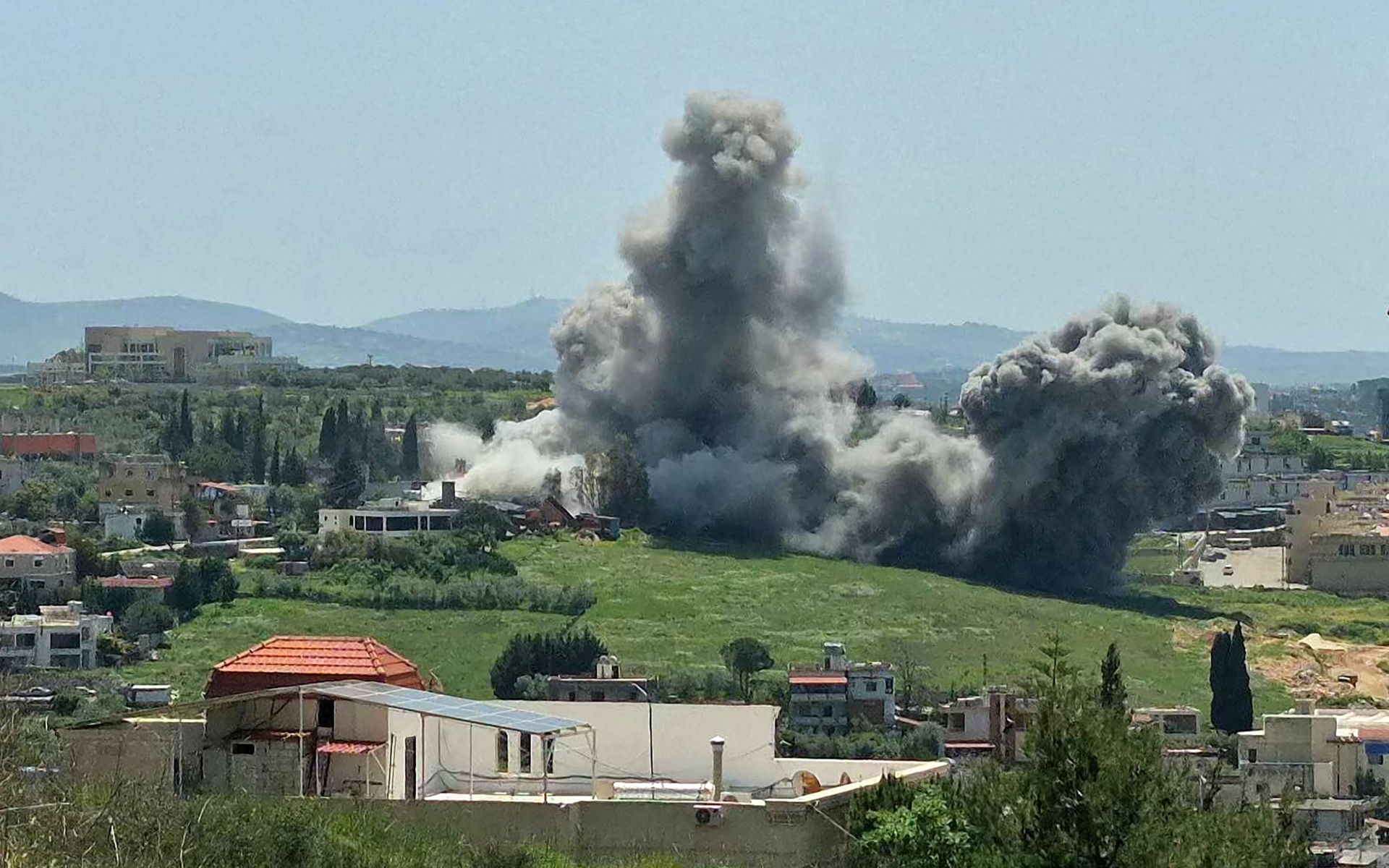
Meanwhile, hostilities persisted in parts of the region despite ceasefire efforts. Lebanon’s state news agency reported Israeli shelling in southern villages after a truce began. The Lebanese Army warned displaced residents against returning due to intermittent attacks.
Donald Trump said Israel and Lebanon agreed to a 10-day ceasefire set to begin at 5 p.m. He added he is willing to extend the truce if negotiations progress.
At a Pentagon briefing, Defense Secretary Pete Hegseth urged Iran to agree to a deal, saying the United States prefers a negotiated resolution but is prepared for alternative measures. He said discussions continue to focus on Iran’s nuclear program, which Tehran maintains is for peaceful purposes.