
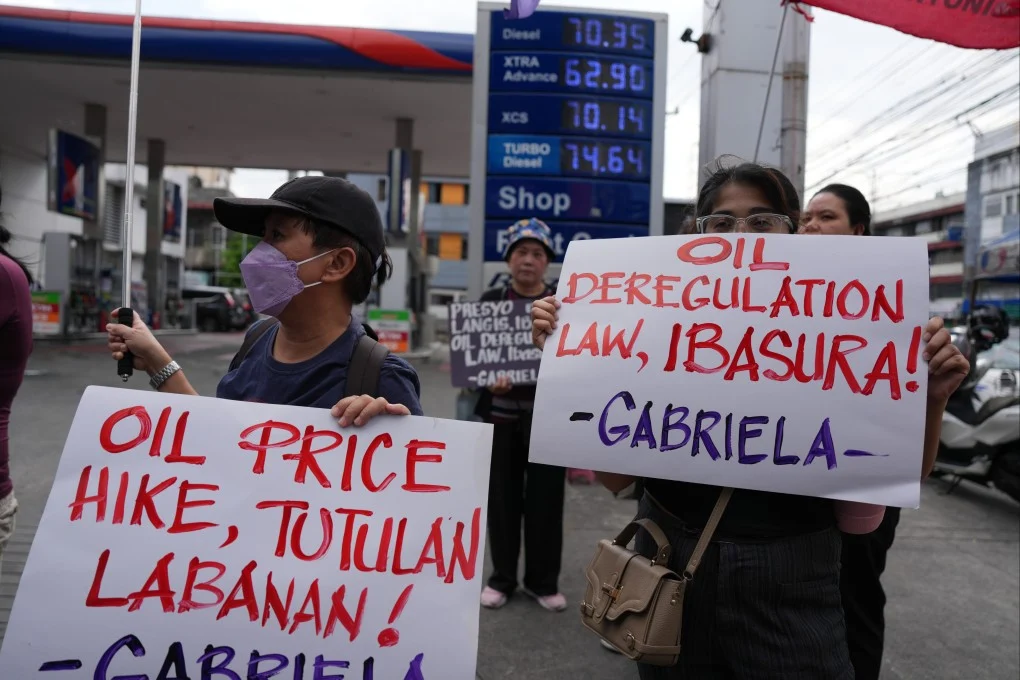
Department of Finance said the government could suspend or reduce fuel excise taxes as early as April 12, pending a recommendation from the Development Budget Coordination Committee (DBCC) to Ferdinand Marcos Jr..
Finance Undersecretary Karlo Fermin Adriano explained that the President cannot immediately issue an executive order, as the newly signed law granting emergency powers will only take effect 15 days after publication, with the Holy Week break affecting the timeline.
The law allows the President to suspend or reduce fuel excise taxes once two conditions are met: global oil prices must exceed $80 per barrel for at least a month—a threshold already breached—and the DBCC must formally recommend action. Adriano said the economic team is set to finalize its recommendation soon.
Fuel prices have surged amid the ongoing Middle East conflict, with crude oil breaching $100 per barrel at times and local pump prices rising sharply. Current excise taxes stand at P6 per liter for diesel and P10 per liter for gasoline and other petroleum products.
While suspending excise taxes could bring some relief, Adriano noted it may result in a P121.4-billion revenue shortfall starting in May. He also said the administration is not inclined to suspend the 12% value-added tax (VAT) on fuel, citing complications in the tax system that could lead to higher costs being passed on to consumers.
However, industry players such as Shell Pilipinas Corp. and Petron Corp. expressed support for a VAT suspension, arguing it could provide faster and more direct price relief.
Supply concerns also persist. Industry groups reported that while April deliveries are secured, no firm commitments for May shipments have been made, with traders either holding back or offering fuel at significantly higher prices.
The Department of Energy said current reserves stand at about 53 days for gasoline and 46 days for diesel, as the government explores alternative sources amid disruptions linked to the Middle East crisis.