
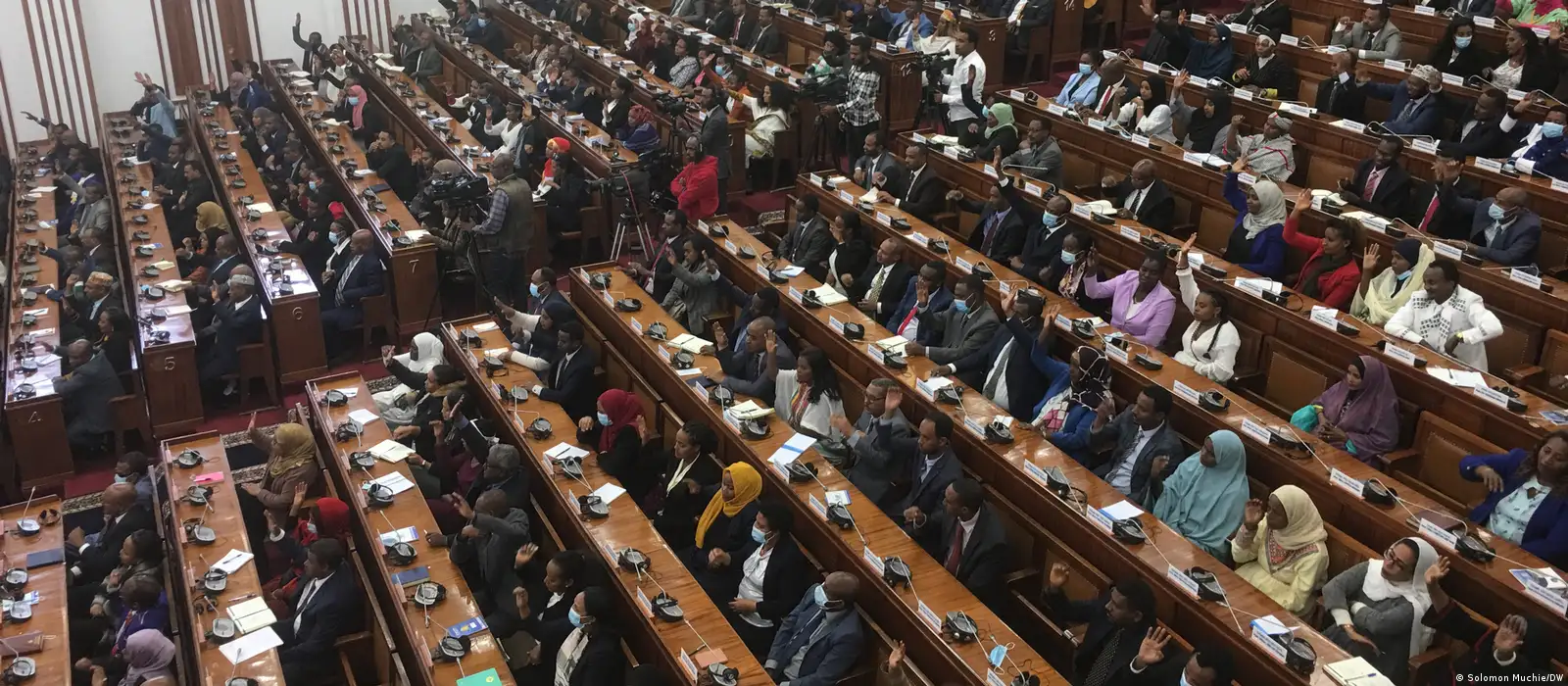
By the end of 2026, 15 African countries will have elected new parliaments, reflecting both the continent’s diversity and a clear trend: the number of women running for and holding parliamentary seats has risen significantly over the past two decades.
Currently, women hold at least 20% of seats in the legislatures of 31 out of 54 African countries, slightly below the global per-country average of 27.5%. Studies suggest legislatures with a proportional number of women better reflect the societies they serve.
In Rwanda, where women hold over 60% of parliamentary seats, policies have been shaped by both historical circumstances and reserved seats for women. Conversely, in Nigeria, women hold only 4% of seats in the 360-member legislature. Recent elections have boosted female representation in Sierra Leone (28%), Seychelles (26.5%), and Benin (25.7%), aided in part by laws reserving seats or quotas for women.
Countries including Ethiopia, Cameroon, and Senegal have also seen major gains, particularly after implementing mandatory quotas for female candidates or voluntary party targets, such as South Africa’s African National Congress, which requires 50% of candidates to be women.
Impact on society
Studies indicate that higher female representation correlates with improvements in educational opportunities, reproductive rights, and financial independence. For instance, Ethiopia ranks second in Africa for women in parliament and has shown the largest improvement in youth literacy, with girls’ primary school enrollment nearly doubling from 2000 to 2017.
However, progress is uneven. Domestic violence remains widely tolerated in many countries. In Ethiopia, 63% of women still justify wife-beating, while in Mali and the Democratic Republic of Congo, three-quarters of women believe husbands have the right to beat their wives. Financial independence is inconsistent, and women’s land ownership has declined in most countries with available data.
Challenges in representation
Critics caution that numbers alone do not ensure substantive change. In Ethiopia, all 195 elected women belong to the ruling Prosperity Party, leaving opposition women without parliamentary seats. In conflict-affected regions like Tigray, ongoing instability threatens to reverse gains in gender equality and education.
The road ahead
Achieving gender parity in political leadership is a UN Sustainable Development Goal target for 2030, but at the current pace, equal representation in national parliaments worldwide may take another 47 years. Despite legal frameworks, quotas, and increased participation, ongoing challenges—including underinvestment, conflict, and societal norms—mean that progress toward equality is neither linear nor guaranteed.
In sum, Africa has made notable strides in women’s political representation, yet socioeconomic and cultural barriers continue to limit the full impact of these gains. Quotas and reserved seats provide an important starting point, but long-term reforms and broader social change remain essential.