
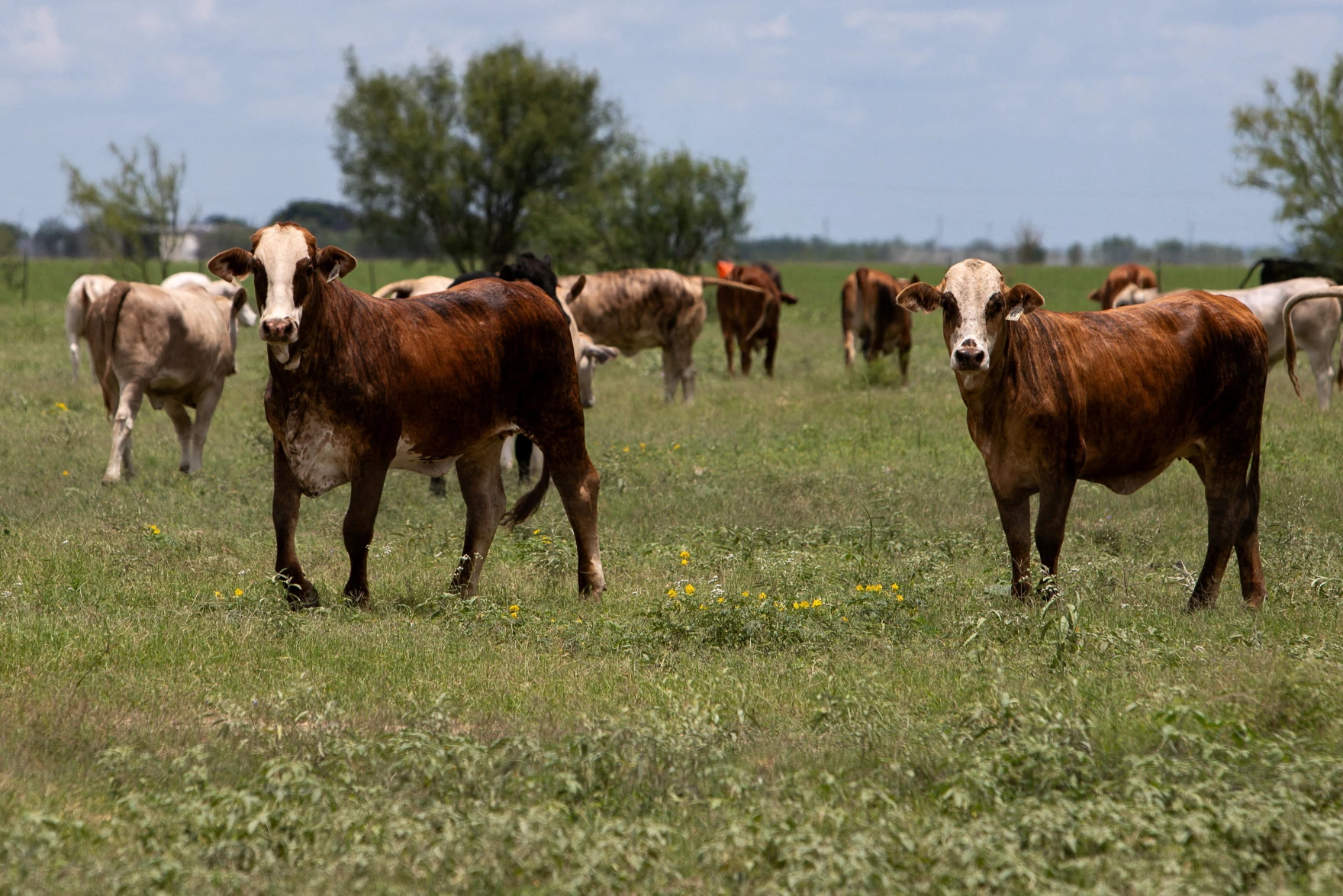
Federal officials have confirmed three additional cases of New World screwworm in Texas, bringing the state’s total to five detections in less than a week.
The new cases involve:
- A calf in La Salle County
- A dog in Andrews County that had recently been in Mexico
- A goat in Gillespie County
Officials noted that the dog’s infestation may have occurred before it entered Texas, and there is no evidence yet that screwworm flies have established themselves in Andrews County.
New World screwworm is a flesh-eating parasite eradicated from the United States in the 1960s. Female flies lay eggs in wounds or body openings of warm-blooded animals. The larvae feed on living tissue, causing severe injuries that can become fatal if untreated.
While cattle are especially vulnerable, the parasite can also affect wildlife, pets, and occasionally humans.
Authorities are concerned not only about the infected animals but also about the possibility of the pest becoming established and spreading. Texas has the largest cattle industry in the United States, making the economic stakes particularly high.
The U.S. Department of Agriculture (USDA) and the Texas Animal Health Commission have deployed approximately 75 personnel for surveillance, diagnostics, logistics, outreach, and response efforts. Quarantine zones have been established around confirmed cases.
USDA officials announced that sterile fly release operations will begin from Moore Air Base in Edinburg. Releasing sterile male flies is considered the primary method for eliminating screwworm populations because it prevents reproduction.
Ranchers in South Texas are urging a rapid expansion of sterile fly deployment and additional funding to contain the outbreak.
The United States currently relies on sterile flies produced in Panama and Mexico, while a new production facility under construction in South Texas is expected to become operational next year.
During a briefing in Kerrville, U.S. Agriculture Secretary Brooke Rollins described the situation as an emergency but emphasized that screwworm does not threaten the nation’s food supply.
Officials are urging livestock owners and pet owners to watch for:
- Draining wounds
- Maggots
- Unusual lesions
- Signs of discomfort or irritation
Suspected cases should be reported immediately to veterinarians or animal health authorities.