
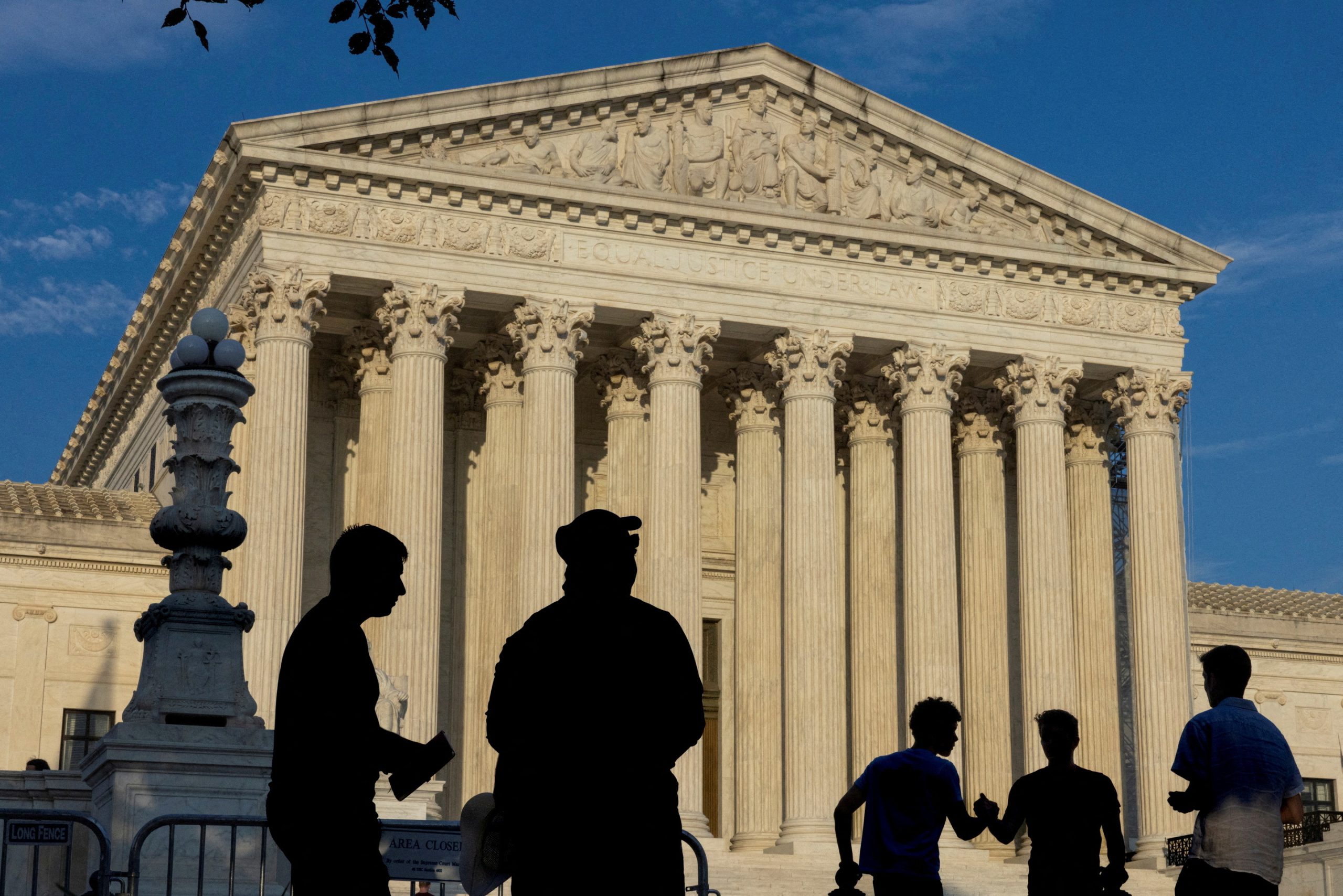
The Supreme Court is set to hear arguments on Monday in a case that could define the limits of presidential authority over independent federal agencies, focusing on whether the president can remove the head of the Federal Trade Commission (FTC) at will.
The dispute stems from efforts during former President Donald Trump’s administration to assert broader control over the executive branch. The FTC enforces antitrust laws and consumer protection rules and is among these independent agencies.
Current law allows commissioners to be removed only “for cause,” such as misconduct or neglect of duty. Presidents from both parties have expressed concerns that these limits restrict their ability to oversee the executive branch effectively.
Petitioners argue the Constitution gives the president broad authority to manage the executive branch, including dismissing senior officials who carry out executive functions. They assert that restrictions on removal undermine democratic accountability because voters elect the president, not agency heads.
Defenders of the FTC’s structure say Congress has the authority to create independent agencies and that past Supreme Court rulings have upheld limits on removal power for certain officials. They argue independence enables agencies to make expert, long-term decisions without political pressure and that the FTC’s quasi-judicial and quasi-legislative functions justify strong job protections.