
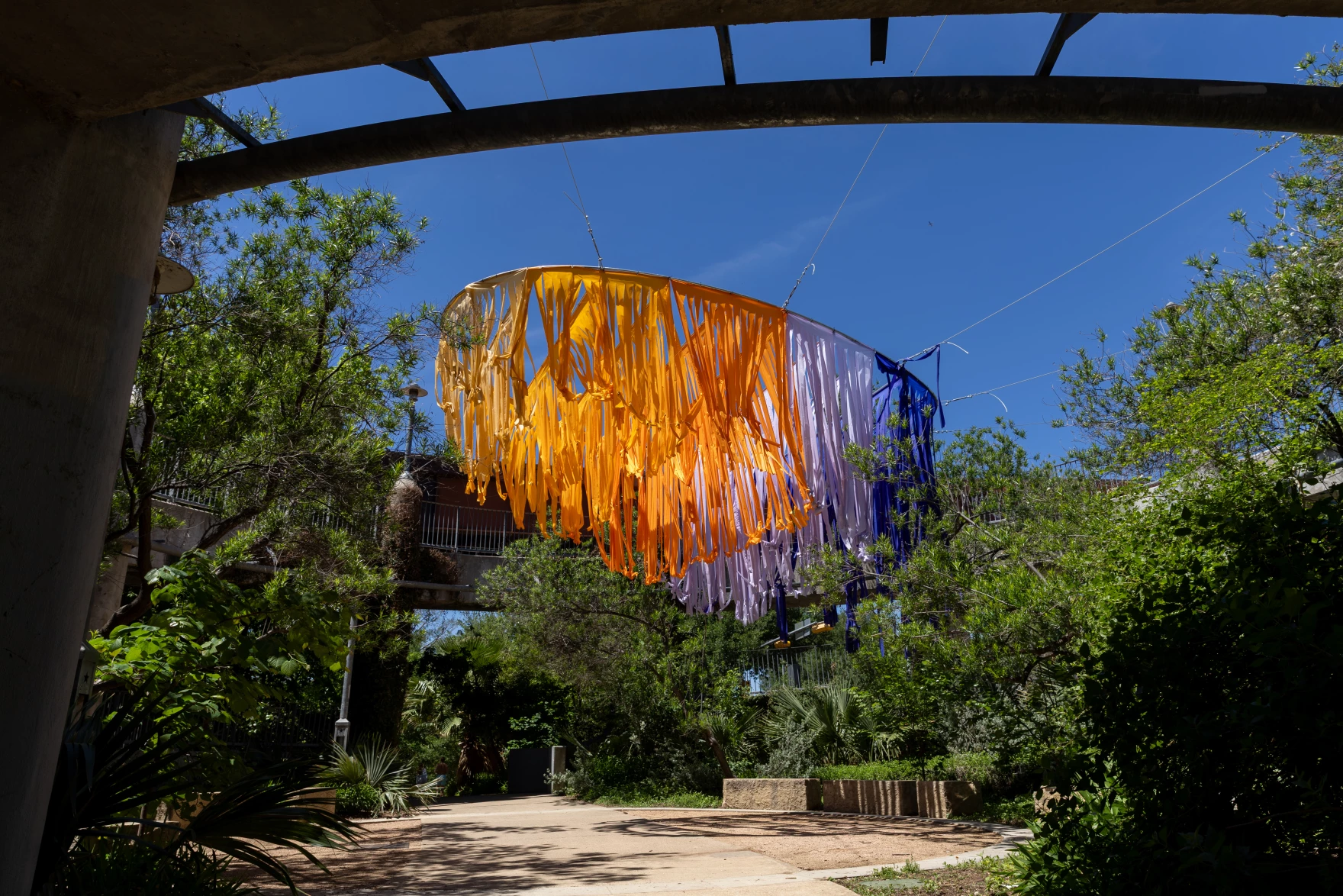
Arts leaders in Austin are accusing city officials of underfunding the city’s public art program for years, arguing that the city has been using an incorrect formula to calculate how much money should go into the program tied to major construction projects.
The dispute centers on the city’s Art in Public Places Program, which was created in 1985 to allocate a percentage of city capital improvement project costs toward public artworks.
Under a 2002 city ordinance, 2% of construction costs from eligible projects is required to be set aside for public art. The program has funded more than 400 artworks across Austin.
Dispute over funding calculations
Arts officials say an internal review found that the city has been underfunding the program by millions of dollars by using a narrower definition of “construction costs” than what is written in the ordinance.
According to the ordinance, construction costs exclude certain items such as permits, land acquisition, demolition, and debt issuance. However, critics say the city has also been deducting additional categories — including architectural, engineering, and administrative expenses — which further reduces the total funding pool for public art.
City arts advocates argue this has resulted in significantly lower allocations than required. In several major projects, the gap is substantial:
- A bridge project that should have allocated about $614,000 reportedly directed only $250,000 to the program
- Renovations at the Elisabet Ney Museum were expected to contribute about $161,000 but delivered around $45,000
- The Redbud Trail Bridge project was projected to contribute about $2.4 million but provided roughly $829,000
City defends long-standing practice
City officials acknowledge the discrepancy but say they have consistently used the same calculation method for years. Assistant City Manager Mike Rogers said the current approach reflects long-standing administrative practice and argued it should be formally written into city code.
Capital Delivery Services officials also maintain that their interpretation reflects the practical “cost to build” projects.
“If this body would like to change the way that it’s administered, that’s perfectly fine,” said Eric Bailey, deputy director of Capital Delivery Services, during a recent Arts Commission meeting.
Pushback from arts community
Members of Austin’s Arts Commission and public art advisory groups argue the city is effectively ignoring the ordinance rather than following it, and that retroactively rewriting the rules undermines public trust.
“This is not solely a technical matter,” members of the public art panel wrote in a letter opposing the change. “It is a matter of public trust, transparency, and alignment with voter and Council expectations.”
Arts leaders also noted that a proposed $700 million bond package under discussion could further increase funding at stake for the program.
“If we’re going to say we’re a premier program,” said Arts Commission Chair Gina Houston, “then we have to fund ourselves like a premier program.”
What happens next
The proposed ordinance changes were temporarily pulled from a City Council agenda for further review. While the city says the revisions would modernize how public art funds are managed — including expanding eligible uses such as maintenance and relocation — arts advocates are pushing for strict adherence to the original 2% funding formula.
The debate is now expected to continue as city officials and arts leaders negotiate whether Austin will revise the code to match current practice or adjust practice to match the ordinance.