
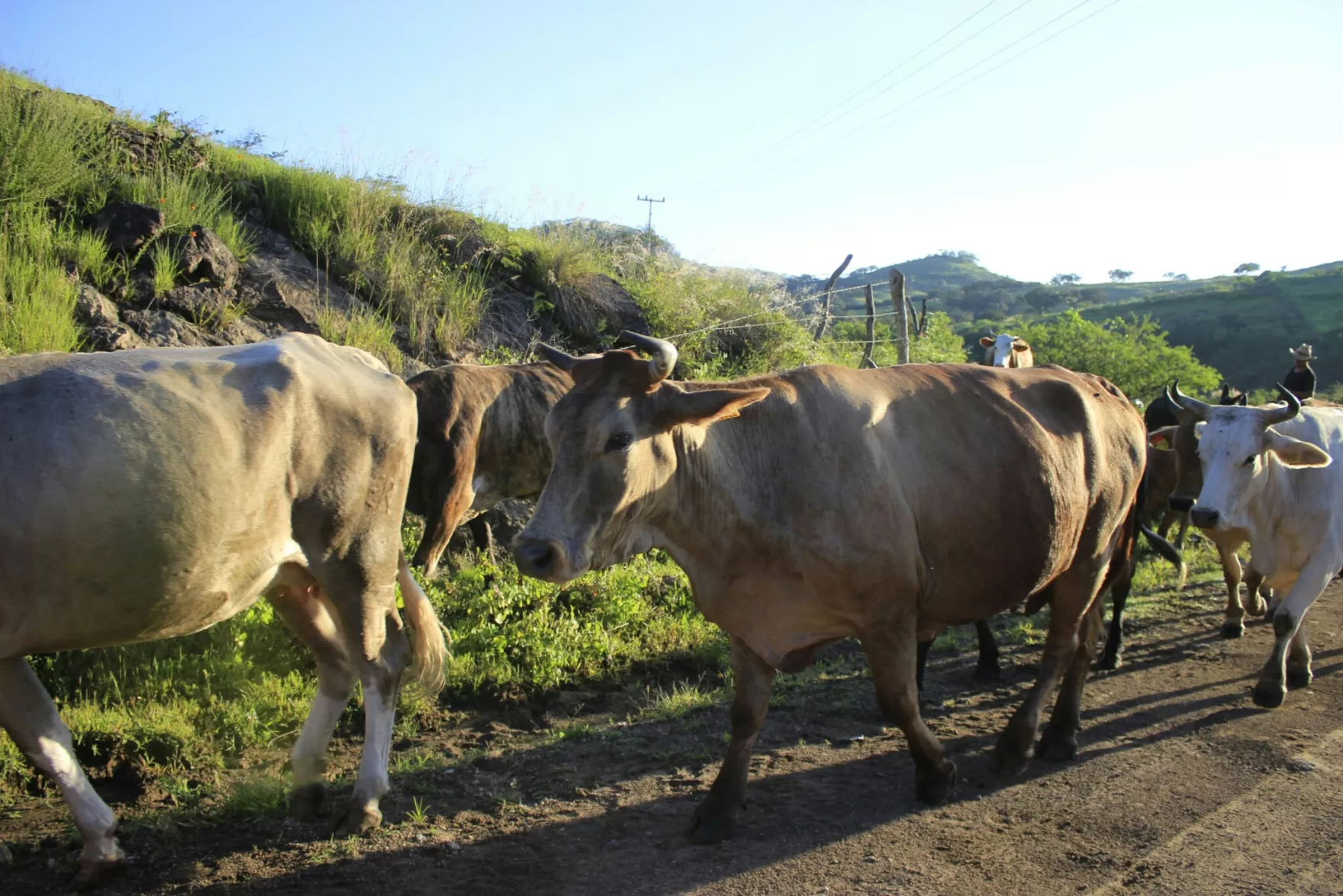
WASHINGTON — The United States will resume limited imports of Mexican cattle on Aug. 24, reopening a trade route that had been closed for more than a year because of the spread of New World screwworm, the U.S. Department of Agriculture (USDA) announced Friday.
The first shipments will enter through the Douglas, Arizona, port of entry across from Agua Prieta, Sonora. The USDA said crossings at Santa Teresa and Columbus, New Mexico, are expected to reopen later, restoring access for cattle from Chihuahua, although no timetable has been announced.
The phased reopening depends on Mexico’s compliance with joint pest-control measures. U.S. officials will inspect every animal before entry, and the USDA said it could suspend imports again if surveillance detects the parasite spreading or if safeguards are not followed.
Mexican President Claudia Sheinbaum welcomed the decision, calling it “great news for Mexican ranchers.” She said the move followed discussions with U.S. Agriculture Secretary Brooke Rollins and instructed officials to speed up preparations for the resumption of trade.
The reopening is expected to provide relief for ranchers in northern Mexico and U.S. feedlots and meat processors facing tight cattle supplies. Before the suspension, Mexico exported more than 1 million head of cattle annually to the United States, with many destined for U.S. feeding operations.
The suspension came as drought, high feed costs and years of herd liquidation reduced the U.S. cattle supply and contributed to record-high beef prices. USDA data show the national cattle inventory stood at 86.2 million head on Jan. 1, the lowest level in decades, while the number of cattle on feed declined 3% from the previous year.
Texas, the nation’s largest cattle-producing state, had 12.1 million cattle and calves at the start of 2026, accounting for about 14% of the U.S. herd. Feedlot operators in Texas, Oklahoma and New Mexico have said imports can safely resume under strict inspection protocols and help meet beef demand.
The reopening comes after New World screwworm was detected in Texas and southeastern New Mexico in June despite border restrictions. The parasite’s larvae feed on the living tissue of animals through open wounds or body openings and can be fatal if left untreated.