
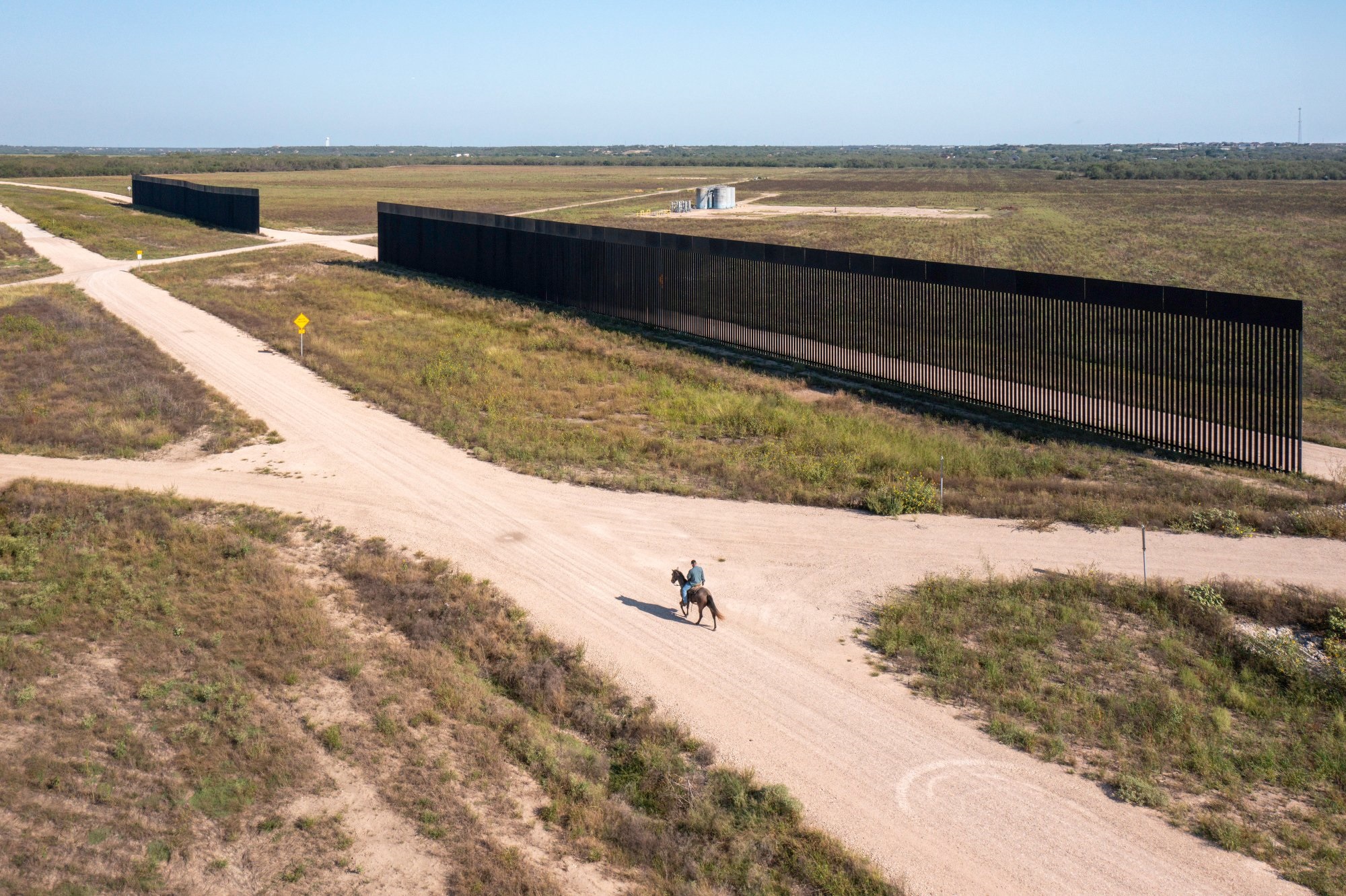
A New York–based construction company has filed a lawsuit in Washington, D.C., challenging federal border wall contracting decisions that awarded the majority of recent Texas border wall projects to North Dakota–based Fisher Sand & Gravel and another contractor, according to court records filed May 13.
Posillico Civil Inc. filed the complaint in the U.S. Court of Federal Claims, alleging that U.S. Customs and Border Protection awarded roughly $14 billion in contracts—about 73% of available value—to Fisher Sand & Gravel and Barnard Construction out of 11 prequalified vendors. The lawsuit covers projects along the Texas–Mexico border, including areas in El Paso, Laredo, Del Rio, the Rio Grande Valley and the Big Bend region.
The complaint says Posillico incurred bid preparation costs while pursuing solicitations it described as not presenting competitive opportunities. The company also alleges the government expanded project requirements beyond what it originally described in procurement documents, including the addition of fencing and cattle guard work in some sections.
CBP said in a written statement that contract awards are based on contractor qualifications and pricing deemed fair and reasonable, and that the bidding process remains competitive.
Fisher Sand & Gravel, led by contractor Tommy Fisher, previously received federal and state border infrastructure contracts during and after the first Trump administration. The company has also faced prior legal disputes and engineering scrutiny related to earlier border wall segments, including work along the Rio Grande and in New Mexico.
The current federal border wall program is funded through $46.5 billion in appropriations approved in 2025, according to the Department of Homeland Security. The contracts include work in multiple Texas border regions and surrounding infrastructure.
The Posillico lawsuit also raises questions about the procurement process used for the awards, including the use of prequalification lists that limited the pool of bidders. Barnard Construction has joined the case as an intervenor.
Federal officials have not publicly released full details of selection criteria for each contract award referenced in the lawsuit. The case remains pending before the U.S. Court of Federal Claims.