
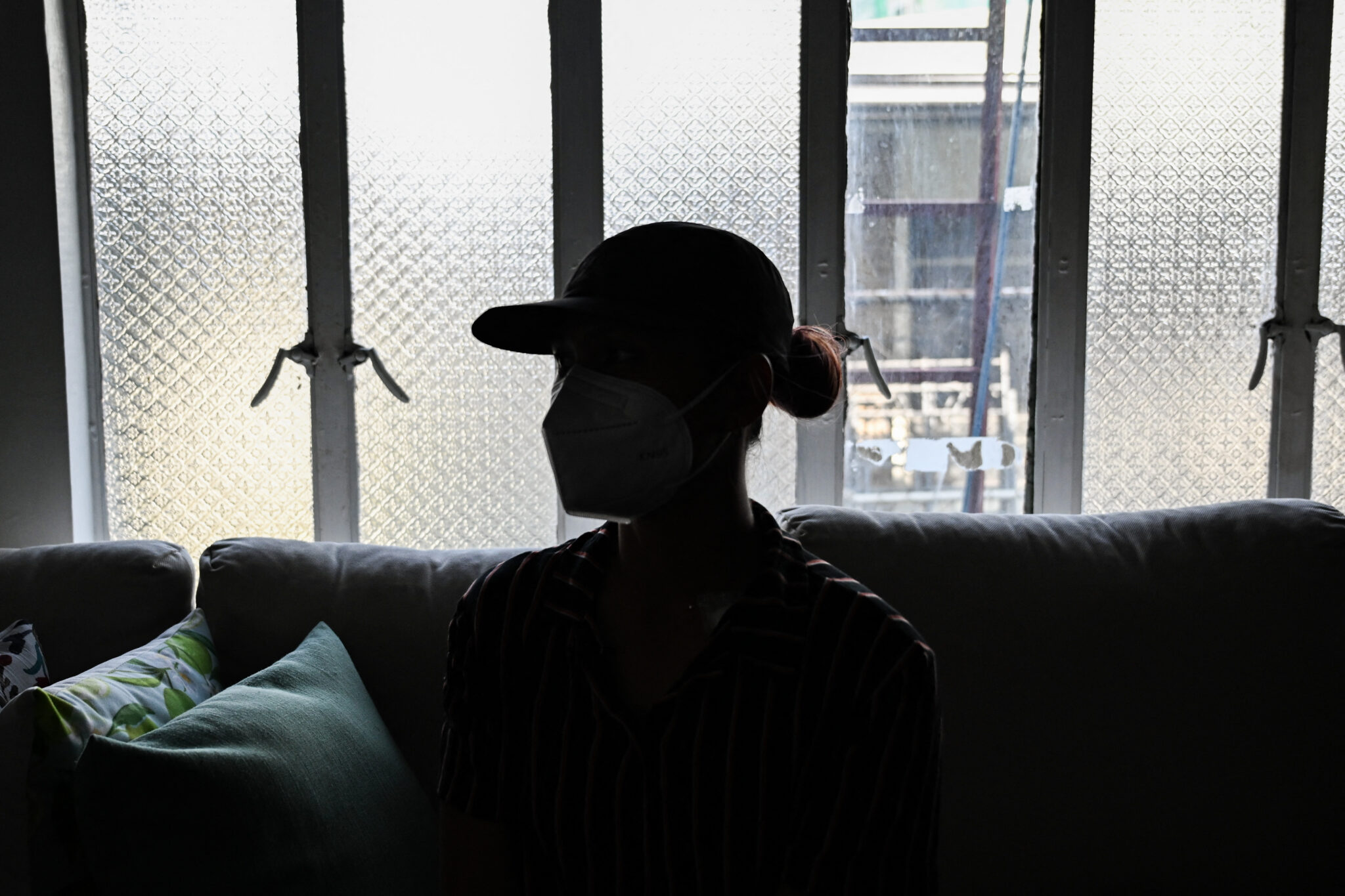
MANILA, Philippines — With abortion strictly outlawed in the Philippines, some women are turning to online sellers and unlicensed providers to end pregnancies, often risking serious health complications and legal consequences.
“Jane,” a 31-year-old woman whose name was changed to protect her identity, told AFP she endured days of heavy bleeding before seeking help from a man who sold her pills meant to terminate her six-week pregnancy. She said the seller, claiming to be a doctor, inserted a pill into her cervix without anesthesia.
“It was very painful, as if my abdomen was being twisted,” she said.
Abortion is illegal in the Philippines, where the law allows prison sentences of up to six years for both patients and providers. While prosecutions are rare, the threat of legal action has pushed many women to seek information and medication through online forums and informal networks.
Although post-abortion care has been legal for more than a decade, some healthcare providers remain hesitant to treat complications for fear of being arrested or losing their licenses, according to Junice Melgar of the Likhaan Center for Women’s Health.
“I believe that a lot of providers would like to help… but it’s a scary proposition for them,” Melgar said.
Authorities have begun paying closer attention to the issue. Last year, the Senate of the Philippines urged the Department of Health (Philippines) and the Food and Drug Administration (Philippines) to crack down on online abortion services, which lawmakers described as illegal operations.
But advocates warn that tighter enforcement could make it even harder for women to access reliable information or medical care.
Clara Padilla of the Philippine Safe Abortion Advocacy Network said unsafe abortion remains a major health issue, citing research showing that more than 250 women are hospitalized each day due to complications from unsafe procedures, with about three deaths daily.
She said some desperate women resort to dangerous methods such as inserting objects into the cervix or physically harming themselves to induce miscarriage.
Meanwhile, the Catholic Bishops’ Conference of the Philippines maintains its strong opposition to abortion. Priest Dan Cancino said the Church’s stance against intentional abortion remains absolute, even in cases of rape or economic hardship, though it supports mothers and children facing unintended pregnancies.
Advocates say the debate in the Philippines often centers on morality and legality, rather than health risks faced by women.
“When you talk about abortion in the Philippines, the discussion is reduced to whether it is legal or moral,” Jane said. “People forget that abortion is a health issue.”