
TEHRAN, Iran — United States and Israel launched strikes on two Iranian nuclear facilities on Friday, escalating tensions in the region as fighting continues across the Gulf and into Lebanon.
Iranian media reported attacks on the Khondab heavy water complex and a uranium processing facility in Ardakan, while Israel’s military confirmed carrying out strikes on the sites. Iranian authorities said there was no release of radioactive material following the attacks.
Speaking after a G7 meeting in Paris, US Secretary of State Marco Rubio expressed confidence that Washington’s military campaign would weaken Iran within weeks. He also said G7 allies support efforts to prevent Iran from imposing tolls on vessels passing through the Strait of Hormuz, a critical route for global oil shipments.
The G7 foreign ministers, in a joint statement, called for the immediate cessation of attacks on civilians and infrastructure and stressed the need to maintain free navigation through the strait.
Despite renewed diplomatic efforts, tensions remain high. Iran has not accepted a US-backed peace proposal and instead reportedly issued its own demands, including war reparations and recognition of its control over Hormuz. The country’s Revolutionary Guards warned civilians to avoid areas near US military bases, signaling the risk of further escalation.
The conflict, now in its fourth week since initial strikes on February 28, has disrupted global markets. Oil prices climbed more than three percent, while concerns over supply intensified after reported attacks on regional energy infrastructure and shipping routes.
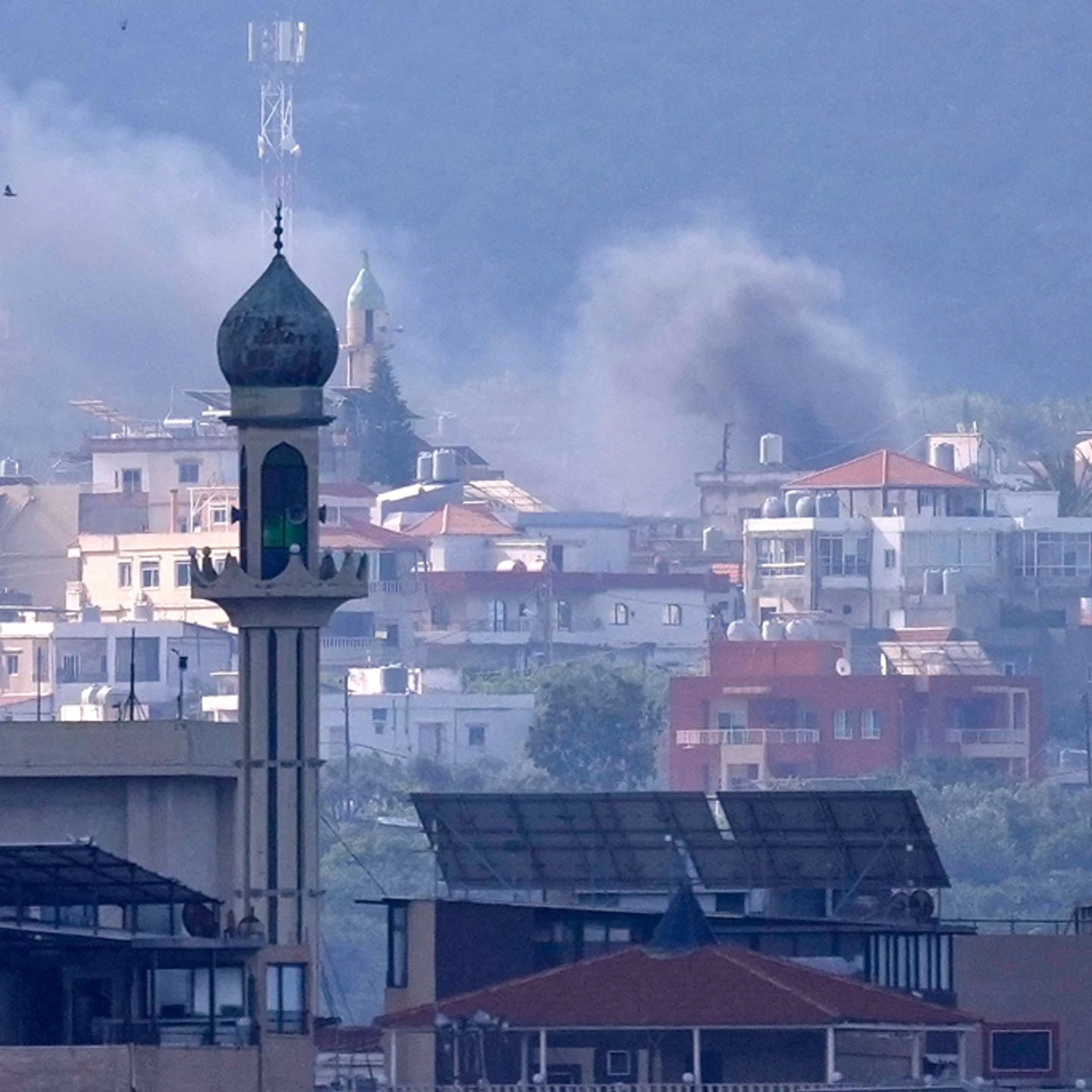
In Beirut, airstrikes linked to the widening conflict killed at least two people, while the UNHCR warned that more than one million people have been displaced, raising fears of a deepening humanitarian crisis.
Both sides have shown little sign of backing down. Israeli Defense Minister Israel Katz vowed to intensify operations, while Iranian officials warned of broader retaliation if foreign forces escalate further, underscoring the growing risk of a wider regional war.