
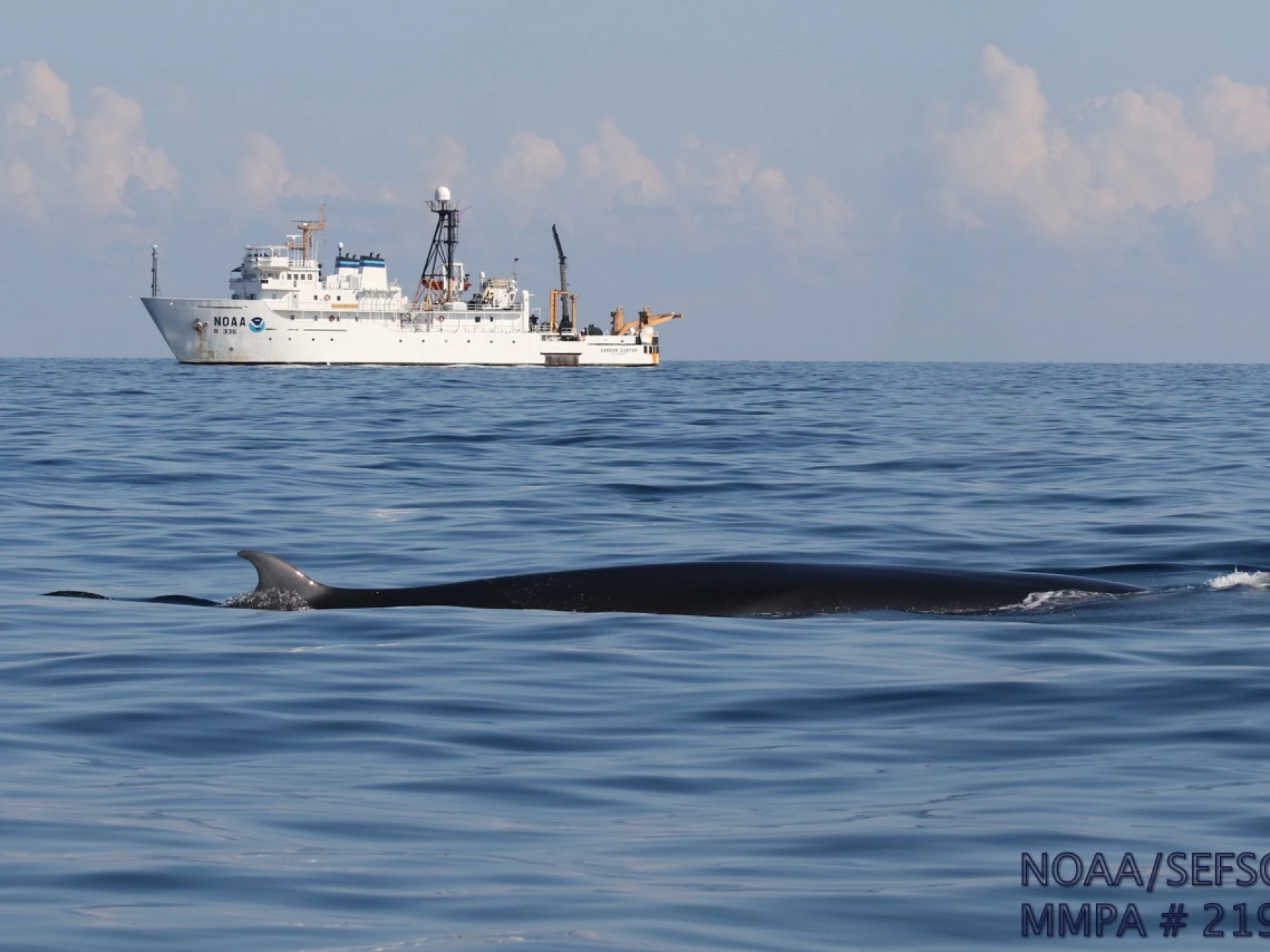
Defense Secretary Pete Hegseth has requested a rare meeting of the Endangered Species Act Committee—often called the “God Squad”—to consider exempting the Gulf of Mexico oil and gas industry from environmental protections, citing “national security” reasons. This could lift safeguards for endangered species such as Rice’s whales, sea turtles, and other threatened marine animals.
The announcement surprised environmental groups because such meetings are extremely rare, with only three held in the past 50 years and only one exemption granted. Typically, the committee convenes after months of consultation and public notice. Critics say the snap announcement leaves the public in the dark about the scope and implications of the proposed exemption.
In May, the National Oceanic and Atmospheric Administration (NOAA) recommended that oil companies adopt measures to protect marine species, such as limiting noise from seismic surveys and maintaining safe distances from whales. Conservationists argue that exemptions are unnecessary because these measures could allow oil and gas operations to continue without harming endangered species.
Legal challenges are already underway. The Center for Biological Diversity sued the Interior Department, claiming the committee was convened without proper procedures. A federal judge declined to delay the meeting, which the Interior Department plans to stream online.
Rice’s whales, which number only about 51 in the Gulf, are particularly at risk. Environmentalists warn that further harm to these whales could push the species toward extinction. Other endangered species in the Gulf include sperm whales, West Indian manatees, and several sea turtle species.
Critics also highlight that energy companies, including Chevron, ExxonMobil, and Occidental Petroleum, have lobbied heavily—spending over $8 million since October—to reduce Endangered Species Act restrictions. Meanwhile, federal agencies have slowed or blocked the addition of new species to the endangered list under Trump’s second term, reversing prior trends under previous administrations.
Conservation advocates warn that granting exemptions without requiring mitigation measures undermines the purpose of the Endangered Species Act and could have long-term consequences for Gulf ecosystems.