
AUSTIN, Texas — Several Texas laws taking effect Sept. 1 will give consumers new rights to repair certain electronic devices, require registration for residential solar salespeople and recognize qualifying privately produced gold and silver as legal tender.
The changes come under House Bill 2963, Senate Bill 1036 and House Bill 1056, respectively.
Right to repair
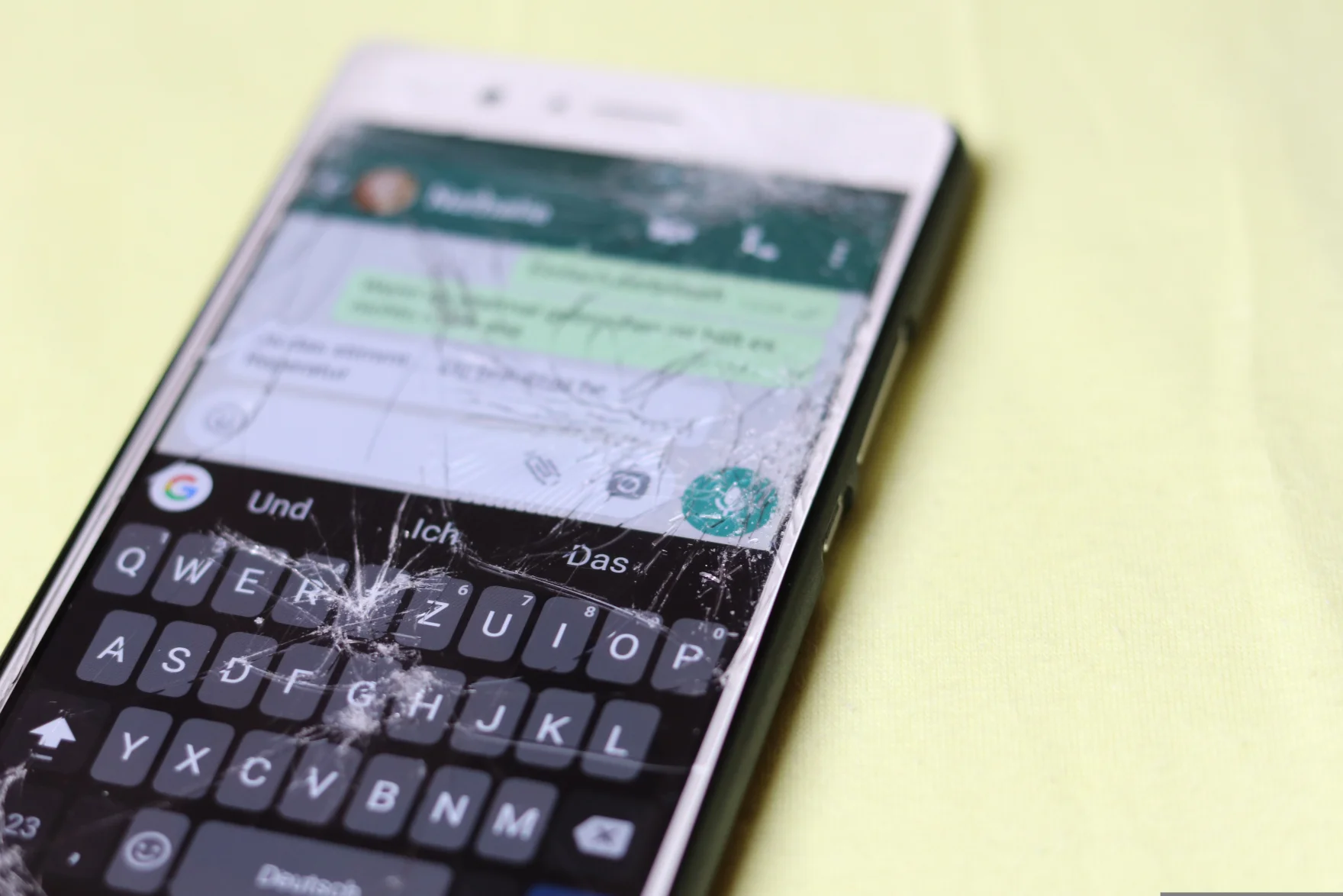
HB 2963 creates a limited right to repair for certain digital electronic equipment. Manufacturers must provide owners and independent repair businesses with the parts, tools and documentation they make available to authorized repair providers, and they must offer them on “fair and reasonable terms.”
The law covers consumer electronic equipment with a wholesale price of at least $50 that manufacturers first offer for sale in Texas on or after Sept. 1.
Devices already on the market before that date will not qualify for the new protections.
The law exempts several categories of equipment, including many motor vehicles, farm equipment, medical devices, video-game consoles, large home appliances, heavy equipment and certain products involving cybersecurity.
Small countertop appliances do not fall under the law’s home-appliance exemption.
The Texas attorney general can enforce the measure, but consumers cannot file private lawsuits over alleged violations.
Nathan Proctor, senior director of U.S. PIRG’s Right to Repair campaign, said the law gives Texans access to resources needed to repair modern electronics.
New solar registration requirements
SB 1036, known as the Residential Solar Retailer Regulatory Act, will require residential solar salespeople to register with the Texas Department of Licensing and Regulation and work for a registered solar retailer.
Solar retailers that employ or contract with salespeople must also register.
Most of the law took effect Sept. 1, 2025, including a requirement that solar contracts give purchasers or lessees five business days to cancel.
The registration and enforcement provisions take effect Sept. 1, 2026.
The changes follow concerns about deceptive practices in the residential solar market.
Texas Appleseed reviewed complaints filed from 2018 through 2024 and reported allegations involving forged signatures, misleading promises, undisclosed financing terms, property liens and solar panels that customers paid for but never received.
The organization said complaints involving solar panels filed with the Texas attorney general increased 818% from 2018 to 2023, while complaints filed with the licensing department increased 576%.
Ann Baddour of Texas Appleseed said the new registration and accountability requirements address problems documented in the market.
Gold and silver as legal tender
HB 1056, authored by Republican state Rep. Mark Dorazio of San Antonio, will recognize qualifying privately produced gold and silver specie as legal tender in Texas starting Sept. 1.
The metals must carry markings showing their weight and purity and cannot include markings indicating that a government issued them.
The law does not require individuals, businesses or government agencies to accept gold or silver as payment.
Dorazio has promoted the measure as a way to make precious metals usable as money and provide Texans with an alternative store of value.
However, the electronic payment system envisioned under the law will not begin Sept. 1.
Provisions allowing payment systems backed by bullion held in the Texas Bullion Depository take effect May 1, 2027. The state comptroller must take further action to implement that system.
For now, the Sept. 1 change applies only to qualifying physical gold and silver.
The practical use of the newly recognized legal tender will depend on whether businesses and other parties voluntarily agree to accept it.