
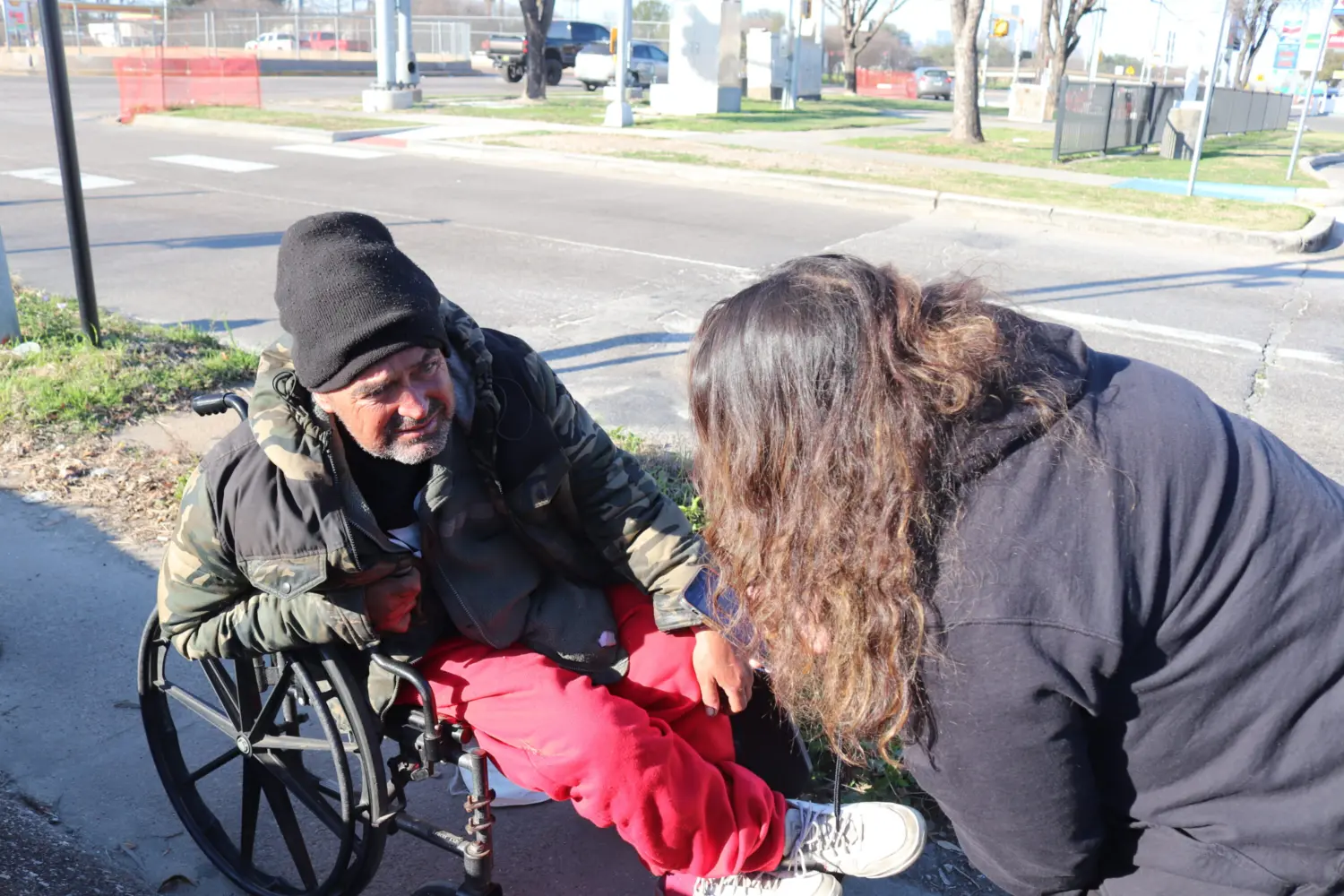
Houston’s effort to “end homelessness” faces both successes and challenges, as city officials balance housing initiatives with enforcement measures.
The Navigation Center in the Fifth Ward has helped people like Thomas Romero, who, after a decade on the streets in Lafayette, Louisiana, moved toward permanent housing within months of arriving in Houston. Romero received counseling and support from case managers, highlighting the effectiveness of the city’s “housing-first” approach. Similarly, Sheri Macek, once living under a highway overpass, secured permanent housing and employment through the program.
Since 2011, Houston has moved roughly 37,000 people from homelessness into permanent housing, aided by federal funding, especially after disasters like Hurricane Harvey and the COVID-19 pandemic. Mayor John Whitmire declared in November 2024 an ambitious goal to house everyone within 90 days of becoming homeless, with city housing director Mike Nichols overseeing the initiative.
Yet progress is constrained by a funding shortfall. The city aimed for $70 million annually but raised about $31 million, with local contributions limited. Meanwhile, criminal enforcement, including citations under the expanded civility ordinance, has outpaced housing availability, displacing unhoused residents without offering immediate alternatives.
Experts caution that prioritizing enforcement over services risks moving people from one area to another rather than addressing root causes. The upcoming 240-bed facility at 419 Emancipation Ave. is central to the city’s plan, intended to provide temporary shelter and a pathway to permanent housing. While the administration has made measurable strides, advocates warn that ending chronic homelessness within the set timeline remains an ambitious, potentially unrealistic goal.