
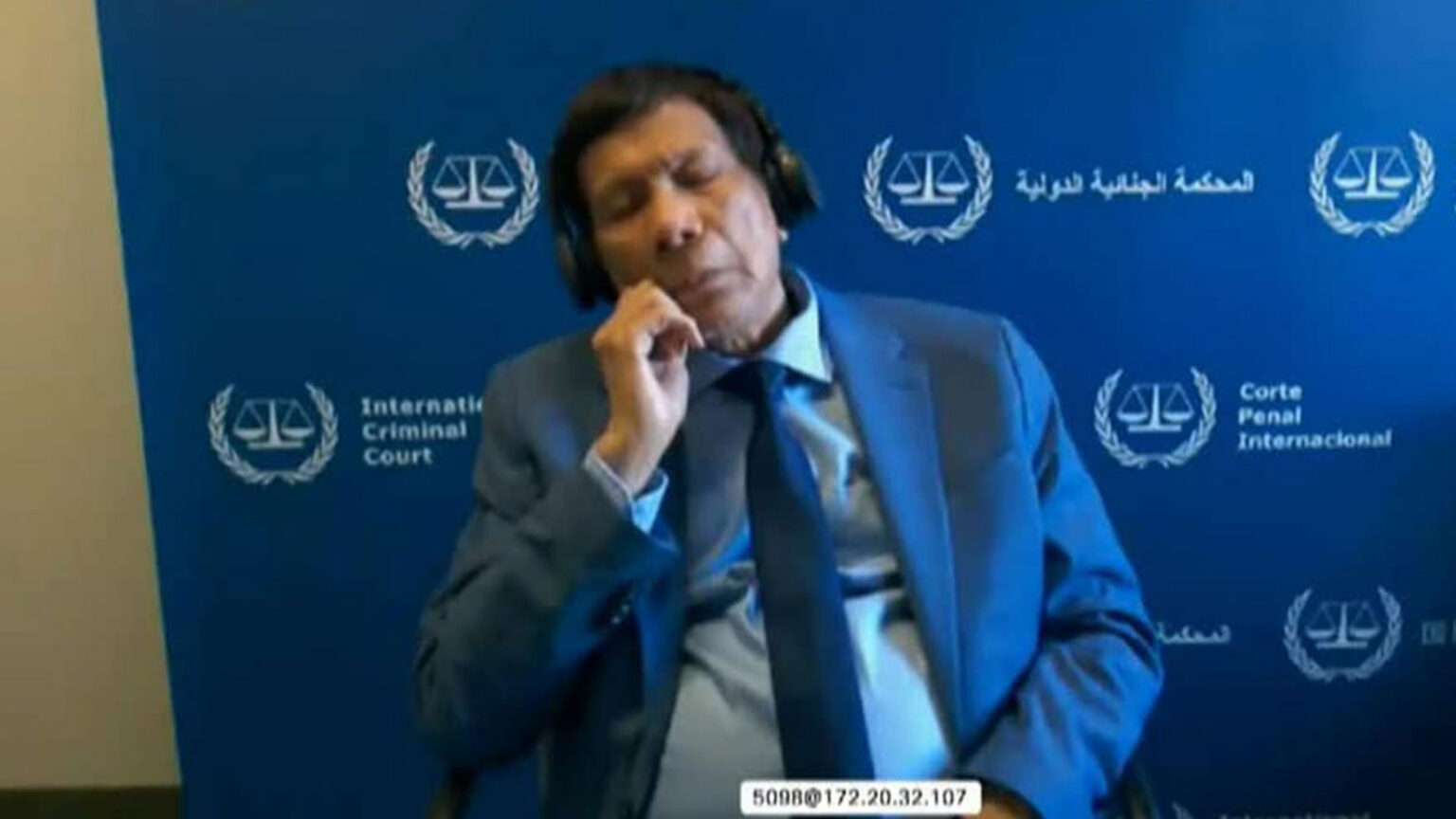
MANILA, Philippines — The Appeals Chamber of the International Criminal Court (ICC) on Wednesday affirmed that it has jurisdiction over the crimes against humanity case of former Philippine President Rodrigo Duterte, rejecting his appeal and allowing proceedings tied to the investigation of his administration’s drug war to continue.
The ICC Appeals Chamber announced the ruling at its headquarters in The Hague, where a five-member panel rejected all grounds raised by Duterte’s defense seeking to nullify the court’s jurisdiction and stop the investigation.
The court ruled that it retains authority to proceed with the case, which involves allegations of murder as an “indirect co-perpetrator” linked to killings under Duterte’s anti-drug campaign. The charges cover his time as mayor of Davao City from 2013 to 2016 and as president until 2019, when the Philippines withdrew from the ICC.
Presiding Judge Luz del Carmen Ibáñez Carranza said the court “has rejected all four grounds of appeal.” She also said the defense request for Duterte’s immediate and unconditional release had become moot following the ruling.
The Appeals Chamber upheld an earlier decision by the ICC Pre-Trial Chamber, which ruled in October that the investigation could proceed because it began before the Philippines formally withdrew from the Rome Statute in 2019.
Lawyers representing victims of the drug war welcomed the ruling and said it supported efforts to pursue accountability for thousands of killings. They had argued that Philippine domestic courts failed to investigate and prosecute those responsible.
In a separate process, ICC judges are considering whether to confirm the charges against Duterte, a required step before trial proceedings can begin. If confirmed, the case would become the first trial of a former head of state from Asia before the ICC.
Prosecutors allege Duterte bears responsibility for thousands of deaths during the drug war. His defense team has argued that no direct evidence links him to specific killings.
Duterte did not attend the ruling and did not appear in court during the reading of the decision. The ICC previously allowed him to skip hearings in February after his defense said he was not mentally fit to attend. He appeared once via video link after his arrest and transfer to The Hague.