
AUSTIN, Texas — Texas property tax cuts have eliminated school property tax bills for nearly 2.4 million homeowners, with older Texans receiving a significant share of the savings as state lawmakers consider additional tax relief.
About 60% of Texas homeowners age 65 and older no longer pay school property taxes following additional cuts approved in 2025, according to an analysis from the office of state Sen. Paul Bettencourt, R-Houston.
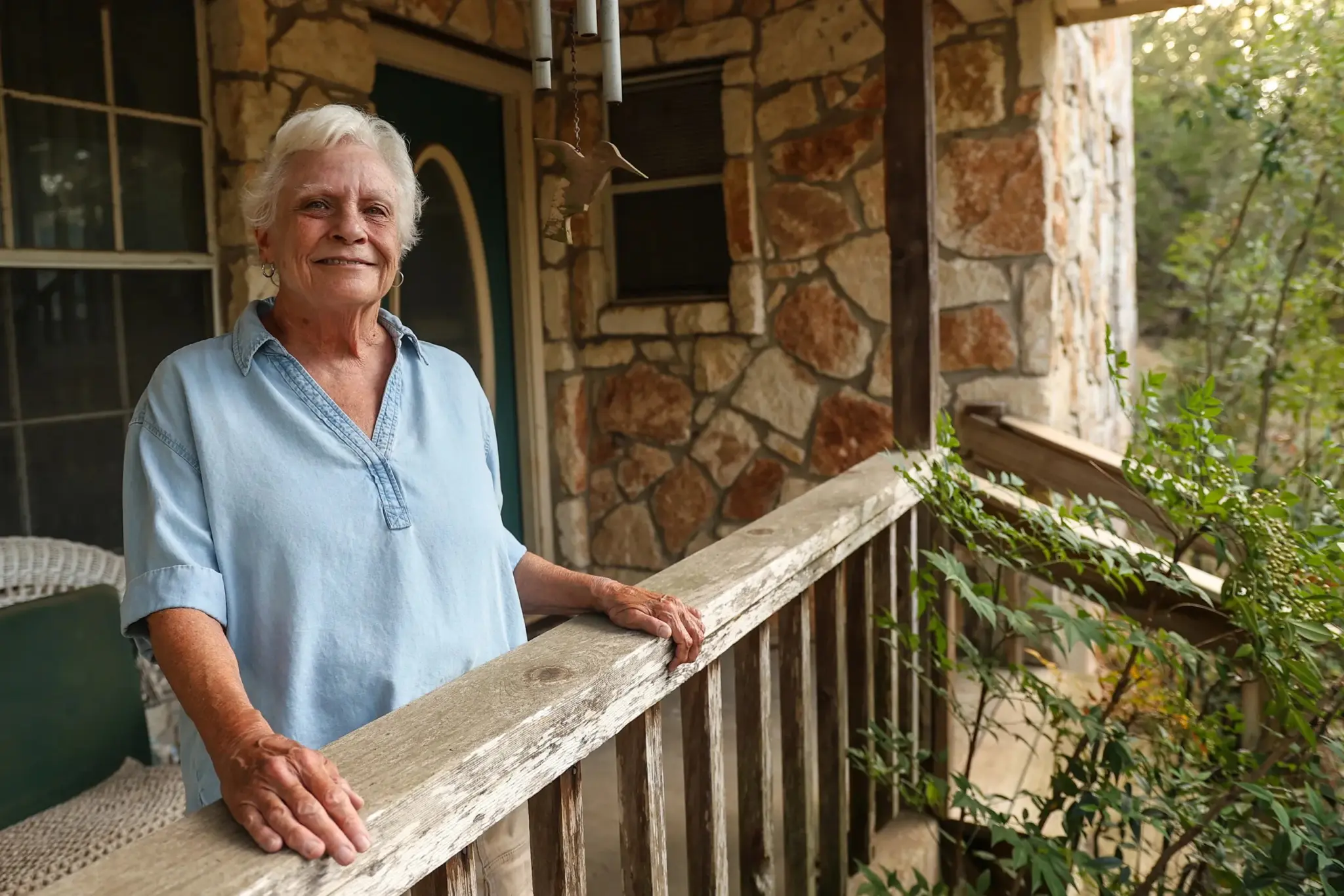
The changes have reduced the tax burden for homeowners such as Jane Lindsley, a 72-year-old retired bookkeeper in Hays County. Her school property tax bill fell to zero last year, reducing her overall property tax bill more than 40%.
“I was ecstatic,” Lindsley said. “I’m like, ‘this is the only thing in my life that’s going down.’ I can actually afford to pay.”
Texas lawmakers have directed billions of dollars in state revenue toward lowering school property tax rates, limited how much local governments can increase property taxes without voter approval and increased homestead exemptions.
The Legislature increased the school district homestead exemption to $140,000 last year. The state’s additional senior homestead exemption can reduce the taxable value of a qualifying homeowner’s property by another $60,000, bringing the total potential exemption to $200,000 for homeowners age 65 and older and qualifying homeowners with disabilities.
The changes helped reduce the average school property tax bill for general homesteads 13.6% to $896 last year, according to Bettencourt’s office. The average bill for seniors fell about 33% to $380.
Bettencourt, who authored several property tax cuts, said lawmakers want to help older Texans who have spent decades paying property taxes remain in their homes.
At the same time, tax policy experts have raised questions about how the state distributes the benefits and who ultimately carries the cost of replacing local property tax revenue.
The state has used surplus revenue from other taxes to finance school property tax reductions. Some analysts describe the approach as a transfer of resources from younger and working-age Texans to older homeowners, who generally hold more housing wealth.
Janelle Fritts, a senior policy analyst at the conservative Tax Foundation’s Center for State Tax Policy, said some younger Texans may need tax relief more than retirees with substantial savings.
Derrick Wilson, chairman of the Texas Young Republican Federation, also questioned the emphasis on senior homeowners as younger Texans face challenges purchasing homes.
“We don’t begrudge older generations for not wanting to be taxed out of their homes,” Wilson said. “But it does seem foundationally unfair to grant tax relief to an older generation that’s been voting for bonds and things that we still have to pay for.”
Supporters of the senior exemptions point to the financial pressures facing many older Texans. More than half of older adults in Texas fall below the Elder Index, a measure of the income needed to cover basic expenses, according to Caitlin Covey of the University of Massachusetts Boston’s Gerontology Institute.
Many older homeowners also face rising insurance, utility, health care and other household costs even after paying off their mortgages.
Lindsley said her homeowners insurance premium more than doubled after her insurer raised its rates. She also spends more on car insurance, gasoline, groceries and health care.
She receives about $4,400 a month from Social Security and an annuity. Despite eliminating her school property tax bill, she still paid more than $1,000 in other property taxes on her $546,000 home last year.
Texas’ aging population could increase the cost of senior property tax exemptions. The number of Texans age 65 and older could rise from about 3.9 million in 2020 to 7.5 million in 2050, according to projections from the Weldon Cooper Center for Public Service at the University of Virginia.
The Texas comptroller’s office has also projected that the cost of senior exemptions will grow faster than exemptions available to homeowners generally.
Meanwhile, state lawmakers face questions about the long-term cost of the property tax strategy. Texas committed $51 billion last year to reducing school property taxes, with lawmakers set to continue funding the effort every two years.
Republican leaders have proposed additional cuts. Lt. Gov. Dan Patrick has proposed extending the senior school property tax exemption to homeowners age 55 and older and increasing the general homestead exemption. Gov. Greg Abbott has proposed eliminating school property taxes for all homeowners.
Policy experts have also proposed more targeted approaches, including a “circuit breaker” that would limit property tax payments based on a household’s income rather than age or homeownership status.
Such a system could provide relief to homeowners and renters whose housing costs consume a large share of their income. Texas currently lacks a mechanism used in some other states to administer such a program.
Some experts also argue that expanding housing options could help older Texans who want to downsize without leaving their communities. Possible options include accessory dwelling units, duplexes and smaller apartment buildings.
For some homeowners, however, the existing tax system remains tied to the services property taxes support.
Steven Klinek, a Pharr homeowner who turned 65 in June, said he expects to save money through the senior exemption but has never objected to paying property taxes.
Klinek, who retired from United Parcel Service in 2020, said property taxes helped fund a dual-credit program that allowed his youngest son to earn two years of college credit through South Texas College before attending the University of Texas at El Paso.
“I see what my community does with their tax dollars,” Klinek said. “I see it on paper, I see it in my pocketbook, and I see what happens to kids. So that’s why I don’t have a problem paying my property taxes.”