
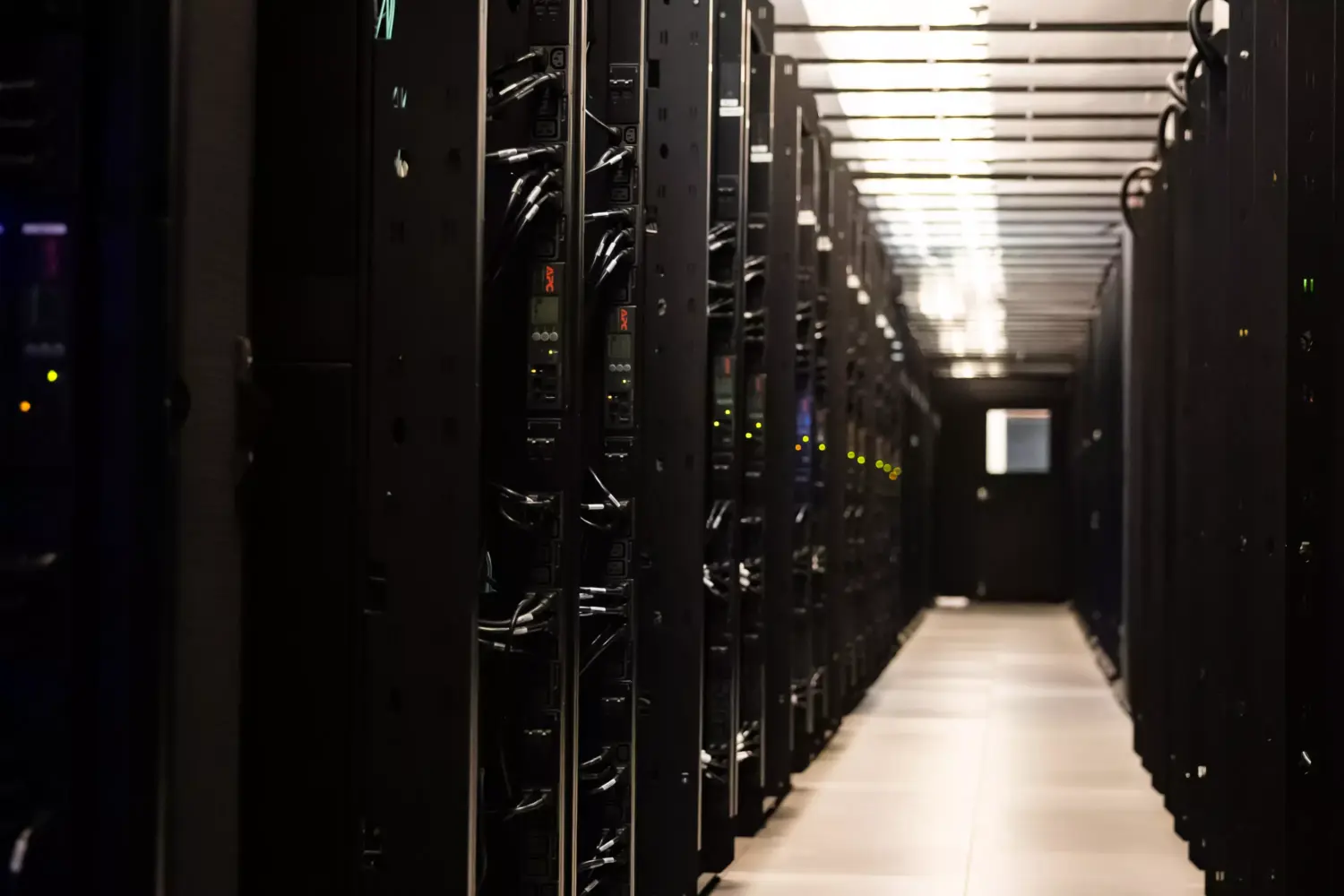
AUSTIN, Texas — Gov. Greg Abbott has paused approvals for certain new data centers in Texas while state regulators review their energy and water use and assess their potential impact on communities.
Abbott announced the directive Aug. 3, saying the state would establish guidelines for data centers during the review. The pause primarily affects large projects that require approval to connect to the Electric Reliability Council of Texas (ERCOT) power grid.
“I have pressed pause on any new data center being able to join the operations in the state of Texas,” Abbott said Sunday on ABC News’ This Week.
The directive does not cover all proposed data centers. Projects with their own power plants, facilities that use less than 75 megawatts and data centers in areas outside the ERCOT grid can continue through existing processes.
ERCOT classifies data centers that require at least 75 megawatts from the grid as large loads. The agency received nearly 200 requests from large energy consumers, including data centers, during the first quarter of 2026. That figure more than tripled the number of requests in 2024.
Abbott’s directive requires ERCOT to verify that large projects are ready to proceed before the agency conducts interconnection studies that determine how much electricity they can receive.
ERCOT expects to complete the verification process in December. The agency previously projected that the separate interconnection studies would continue into April 2027.
The directive also requires large and medium-sized data centers to provide information about their energy and water use and other community impacts. However, ERCOT will not publicly release individual companies’ responses.
Medium-sized data centers, which use between 25 and 75 megawatts, remain outside the approval pause. ERCOT has identified more than 150 proposed projects in that category.
Critics have called for stronger state regulation and a special legislative session, arguing that Abbott’s directive does not go far enough to address concerns over electricity demand, water consumption, noise and infrastructure costs.
Abbott has also said data centers should help prevent consumers from bearing the costs of new electricity infrastructure and should demonstrate that their operations will not strain local water and energy supplies.
Several major technology companies, including Google and Meta, have since issued statements pledging to limit the impact of their data centers on surrounding communities.
The state has not provided a specific timeline for completing the broader review or determined whether it will lead to additional regulations.