
WASHINGTON — A Senate committee voted along party lines Thursday to hold former National Institute of Allergy and Infectious Diseases director Dr. Anthony Fauci in contempt of Congress after he repeatedly invoked his Fifth Amendment rights during a hearing on his handling of the COVID-19 pandemic.
The committee referred the contempt resolution to the Justice Department for possible investigation. A department spokesperson confirmed Thursday evening that the department received the referral and said it was reviewing the matter.
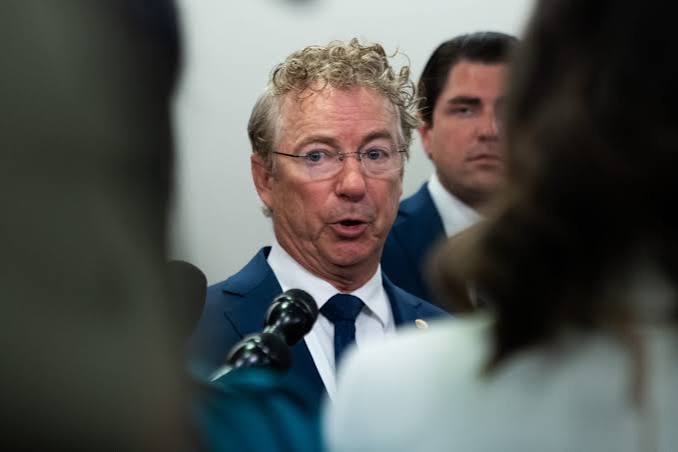
Republican Sen. Rand Paul of Kentucky, chair of the Senate Committee on Homeland Security and Governmental Affairs, pushed for the contempt finding after Fauci invoked his constitutional right against self-incrimination more than 100 times during a hearing the previous week.
Paul argued that Fauci’s Fifth Amendment protection did not prevent him from answering questions because former President Joe Biden pardoned Fauci last year.
“Dr. Fauci faced no risk of federal prosecution,” Paul said before the vote.
Fauci said last week that he invoked the Fifth Amendment because he feared criminal prosecution and cited Paul’s public statements calling for his prosecution.
Fauci’s attorney, David Schertler, called the contempt resolution politically motivated and accused Paul of using the Justice Department against Fauci.
“Today’s partisan committee vote is a crude political stunt intended to punish Dr. Fauci for exercising his constitutional rights,” Schertler said.
Biden’s pardon covered federal offenses Fauci may have committed from 2014 through the date of the pardon in January 2025. The pardon does not cover state prosecutions or protect Fauci from federal investigations involving testimony he provides that prosecutors determine was false.
Democrats on the committee opposed the contempt resolution. Sen. Maggie Hassan of New Hampshire said Fauci had reason to fear prosecution based on Republican lawmakers’ public statements about him.
President Donald Trump also commented on the matter Thursday. Asked whether Fauci should face prosecution, Trump cited the cases of former advisers Steve Bannon and Peter Navarro, who served jail sentences for contempt after refusing to comply with congressional subpoenas during the Biden administration.
“When you see that happen, you sort of say maybe he should,” Trump said. “What he did is far more serious than a lot of crimes, frankly.”
Paul’s referral does not require the Justice Department to investigate or prosecute Fauci.
The committee’s top Democrat, Sen. Gary Peters of Michigan, also questioned whether the referral would have legal force without approval from the full Senate. He said the chamber would need 60 votes to approve the resolution, a threshold Democrats and some Republicans are unlikely to meet.
Peters warned that punishing Fauci for invoking a constitutional protection could affect future congressional investigations and witnesses’ willingness to testify.