
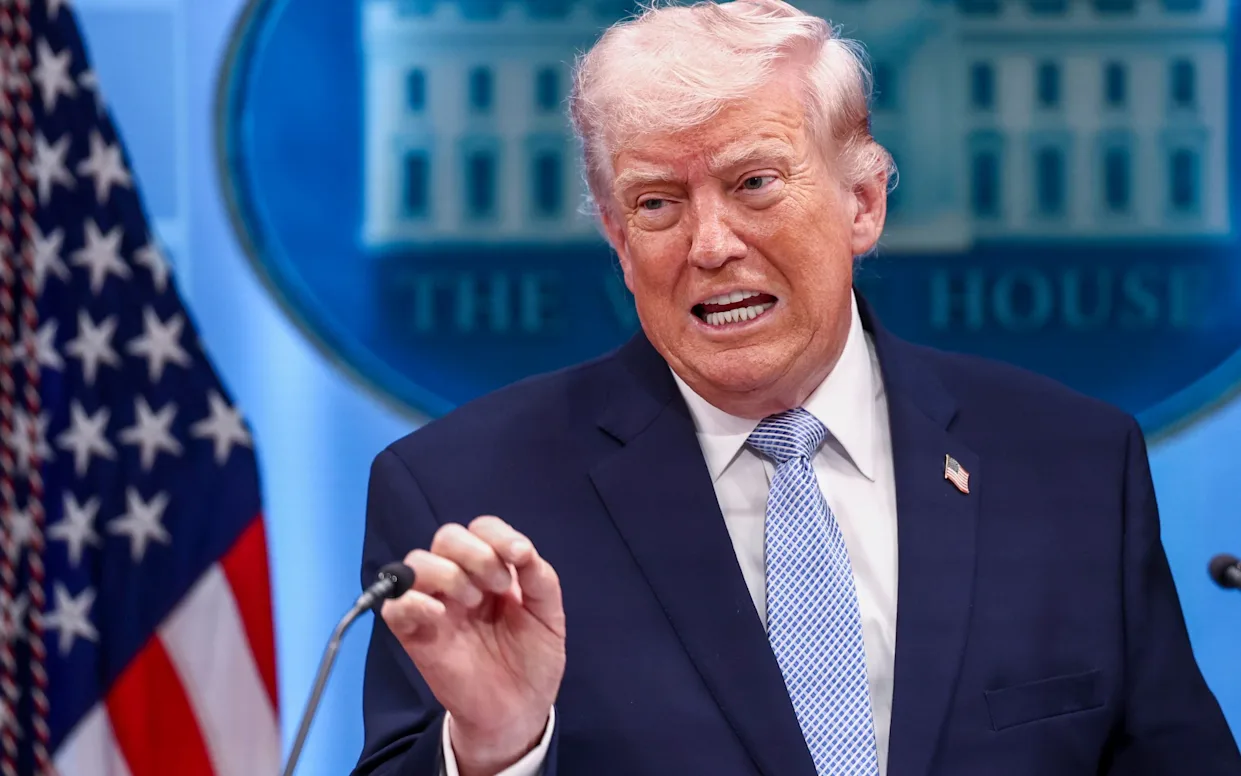
Donald Trump announced a temporary two-week pause in escalating military action against Iran, saying the U.S. would “suspend” further attacks if Iran agrees to reopen the strategically critical Strait of Hormuz.
The decision followed last-minute diplomatic efforts involving Shehbaz Sharif and Asim Munir, which Trump said helped broker what he described as a “double-sided ceasefire.” According to Trump, both sides are close to a broader long-term peace agreement, with Iran submitting a 10-point proposal that he called a workable foundation for negotiations.
Iran signaled conditional support for the pause. Foreign Minister Seyed Abbas Araghchi said Iran would halt defensive operations if attacks stop, and confirmed that limited passage through the Strait of Hormuz would be allowed during the two-week window under coordination with its armed forces. The White House also indicated that Israel has agreed to the temporary ceasefire.
The Strait of Hormuz has been a major flashpoint in the conflict, as its closure disrupted global oil shipments and sent energy prices soaring. Reopening it is seen as a key step toward stabilizing both the regional situation and global markets.
Sharif has proposed hosting further peace talks in Islamabad, potentially bringing together U.S. and Iranian leaders, though no final plans have been confirmed. Meanwhile, tensions remain high. Earlier, Trump warned of devastating consequences if no agreement was reached, including threats to Iran’s infrastructure—remarks that drew criticism from both Democrats and some Republicans, including Lisa Murkowski, who called the rhetoric unacceptable.
The next two weeks are expected to be critical in determining whether negotiations lead to a lasting agreement or if the conflict escalates further.