
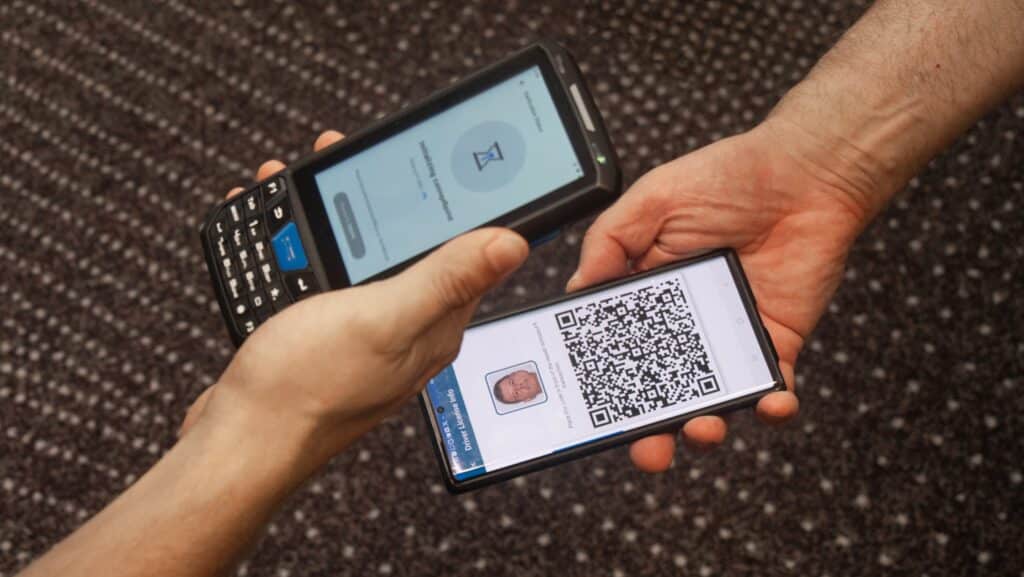
TEXAS — While more than 20 states and Puerto Rico have adopted mobile driver’s licenses or digital ID programs that allow residents to store state-issued identification on smartphones and smartwatches, Texas has yet to join the movement.
Apple’s Digital ID initiative, which launched in late 2025, enables users to add driver’s licenses, state IDs, and U.S. passports to Apple Wallet, allowing secure, encrypted storage and biometric verification. Passengers can even use their digital ID for domestic travel at more than 250 TSA checkpoints. However, Texas residents currently cannot add a state-issued driver’s license to Apple Wallet or other mobile ID platforms.
Legislators in Austin have introduced several bills to authorize a digital ID system through the Texas Department of Public Safety (DPS). A 2023 proposal passed the House but stalled in the Senate amid opposition from far-right and nationalist groups questioning its necessity and potential risks. A subsequent proposal also failed to secure a hearing.
Supporters—including law enforcement and DPS officials—argue that digital IDs could modernize identification, enhance security, and provide convenient access for Texans. Critics, however, including privacy and civil liberties advocates, worry about surveillance risks and weakened protections.
Across the country, states such as Arizona, California, Georgia, Illinois, Maryland, Montana, New Mexico, North Dakota, Ohio, and West Virginia already allow residents to store IDs in Apple Wallet. Others, including Arkansas, Connecticut, Kentucky, Mississippi, Oklahoma, Utah, and Virginia, are on track to follow.
Despite the national trend toward mobile IDs, Texas remains isolated, leaving residents without the convenience or interoperability offered in other states. For now, the option to use a mobile driver’s license in everyday interactions remains unavailable, even as Apple’s passport-based Digital ID is usable for domestic travel for those with U.S. passports.
Whether Texas will move forward with a mobile ID program in future legislative sessions remains uncertain, but for now, the state continues to lag behind the growing digital identification movement nationwide.