U.S. and Iranian officials have resumed indirect talks aimed at reducing tensions and preventing open conflict as both sides maintain sharp public warnings against each other.
U.S. representatives state that their main objective is to prevent a wider conflict in the Middle East. They cite concerns about Iran’s regional activities, support for allied groups, and past attacks on U.S. and partner interests. American officials also raise questions about Iran’s nuclear program and its potential to escalate security risks. They stress that diplomatic talks are continuing but do not rule out the use of force if U.S. personnel or assets come under attack.
Iranian officials deny that their government seeks war with the United States. They criticize U.S. sanctions and military deployments in the region. They describe them as acts of pressure that increase the risk of miscalculation. Iranian representatives accuse Washington of using threats to gain leverage at the negotiating table. They warn that any military strike on Iranian territory or forces would face what they describe as a strong response.
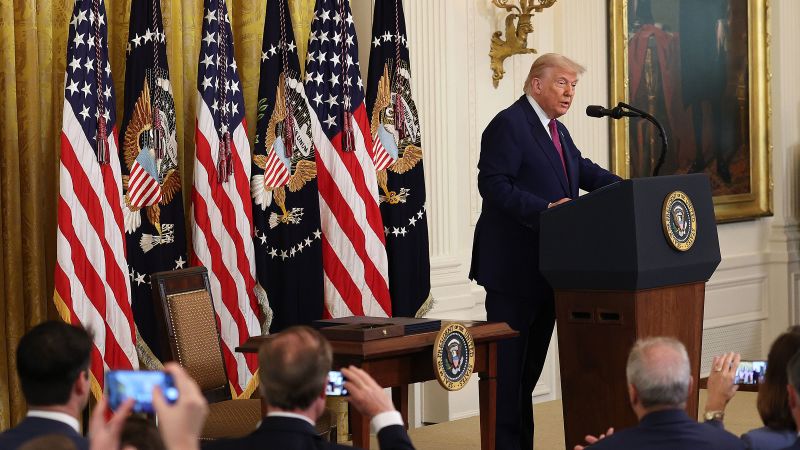
Trump maintains a prominent role in the political debate around Iran policy in the United States. He calls for an assertive posture toward Tehran and criticizes existing diplomatic frameworks. His remarks include references to possible military options if Iran does not change its behavior. The statements add a political layer to ongoing diplomatic efforts. U.S. allies and adversaries track these comments closely as they assess future U.S. policy directions.
Officials on both sides acknowledge that trust remains low. They refer to past agreements that collapsed and previous confrontations that damaged diplomatic channels. They note that any new arrangement would face political scrutiny at home. Both governments must address domestic audiences that view the other side with suspicion.