
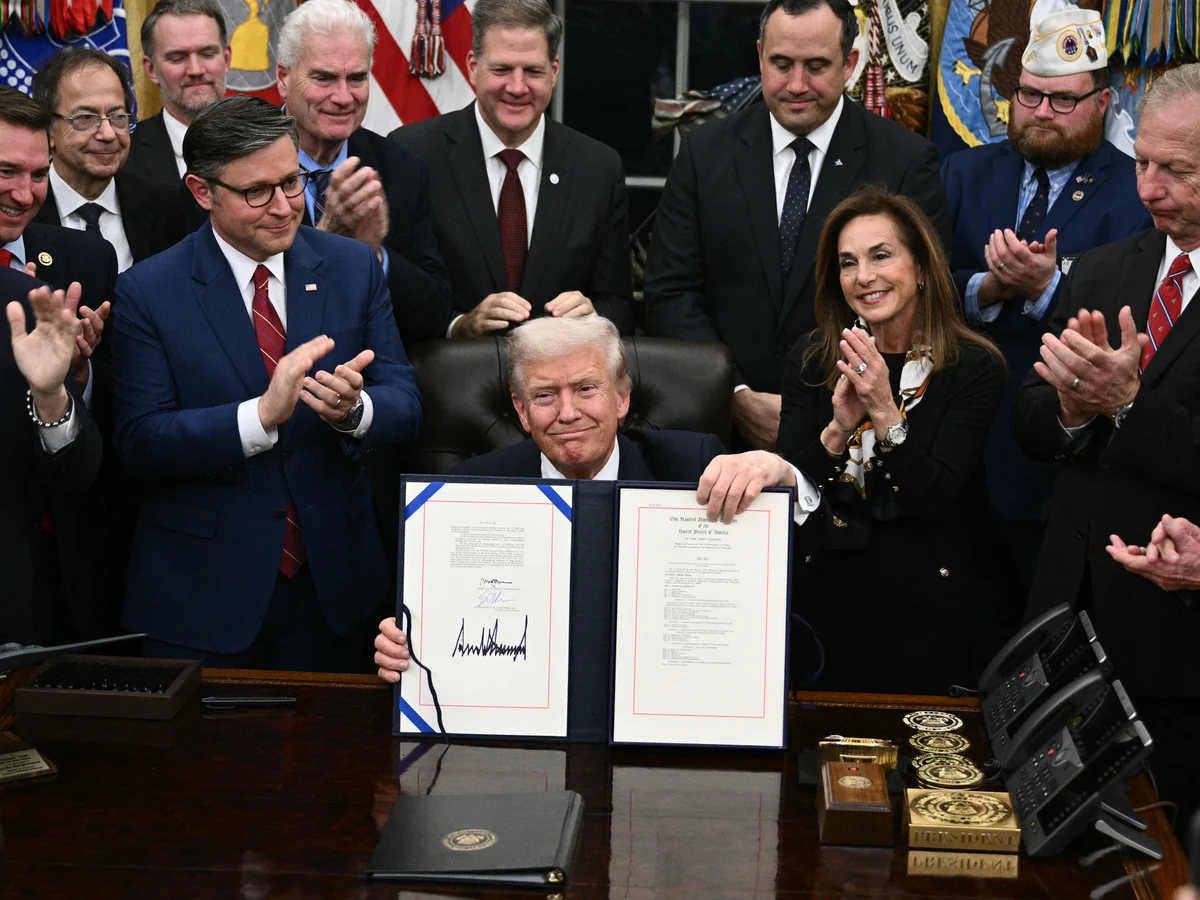
A partial shutdown of the United States federal government ended Tuesday after President Donald Trump signed a funding bill that had cleared both chambers of Congress.
The House passed the bill on a 217–214 vote. The legislation provides money for major parts of the federal government. It aims to restore full operations at agencies affected by the lapse in funding. The narrow result in the House reflected deep divisions among members over budget priorities and the handling of the shutdown.
The bill went to the White House after passing the House and the Senate. The Senate had approved the measure earlier in the day by voice vote. The approval in both chambers allowed the president to sign the bill before more agencies faced longer disruptions.
The legislation funds key departments and agencies that had been operating with limited staff and services. Federal workers in affected agencies had faced furloughs or had been required to work without pay during the shutdown period. The new funding measure provides authority for agencies to resume normal operations and to process back pay where applicable under existing law and administrative procedures.
The House vote showed a split among both parties. Most members of the majority party voted in favor of the bill. Most members of the minority party opposed it. Some lawmakers cited concerns over spending levels. Others raised objections to policy provisions or the absence of agreements on separate legislative priorities.
The vote total of 217 in favor and 214 against met the simple majority threshold needed for passage. A small number of defections or missed votes could have changed the outcome. Party leaders spent much of the day working to secure support and keep members on the floor for the final tally.
The White House had urged Congress to approve the funding legislation. Administration officials described the bill as necessary to keep the government open while broader negotiations continue over longer-term budget issues. The president’s signature turned the measure into law and formally ended the partial shutdown.
Federal agencies began preparations to resume full operations. Managers received guidance to recall furloughed workers and restart paused programs. Employees at affected agencies prepared to return to regular schedules as funding authority was restored.
The end of the shutdown reduced immediate pressure on federal workers, contractors, and members of the public who rely on certain government services. Airports, federal buildings, and other facilities that saw reduced staffing began moving toward normal operations. Officials noted that some backlogs could remain as agencies process delayed work.
The funding bill’s passage followed internal discussions within both parties about the political and economic effects of a shutdown. Business groups, unions, and advocacy organizations had urged an end to the funding lapse. Analysts tracked the potential impact on economic activity, federal services, and public confidence in government.
The final 217–214 House vote marked the decisive step before the measure reached the president’s desk. The president’s signature completed the legislative process and brought the partial government shutdown to a close under the terms of the short-term funding bill.