
Health experts on Friday urged the public across the Philippines to stay vigilant against influenza-like illnesses, particularly respiratory syncytial virus (RSV), as cooler weather conditions coincide with an observed increase in cases and heightened risk of transmission.
The Department of Health (DOH) reported that RSV, which commonly affects children and older adults, circulates more actively during colder months and can cause symptoms similar to flu, including cough, fever, colds, and breathing difficulties.
Health authorities said RSV spreads through respiratory droplets when an infected person coughs or sneezes and through contact with contaminated surfaces, and they advised frequent handwashing, proper ventilation, and mask use in crowded or enclosed spaces.
Pediatric specialists explained that RSV can lead to serious complications such as pneumonia and bronchiolitis in infants, young children, older adults, and people with weakened immune systems, and they recommended early medical consultation for individuals who develop persistent fever or difficulty breathing.
Doctors noted that most RSV infections present as mild, self-limiting respiratory illness in healthy older children and adults, but they warned that severe cases may require hospitalization for oxygen support and close monitoring.
Hospitals and clinics in several areas reported an uptick in consultations for coughs, colds, and flu-like symptoms, and medical personnel said they now include RSV in their differential diagnosis, especially for children with wheezing or rapid breathing.
The DOH reminded parents and caregivers to monitor children for warning signs such as fast or labored breathing, inability to feed or drink, bluish discoloration of lips or face, and unusual sleepiness, and to bring them to the nearest health facility if these symptoms appear.
Health officials advised schools and daycare centers to enforce sickness policies, including keeping symptomatic children at home, ensuring regular cleaning of commonly touched surfaces, and promoting respiratory etiquette among students and staff.
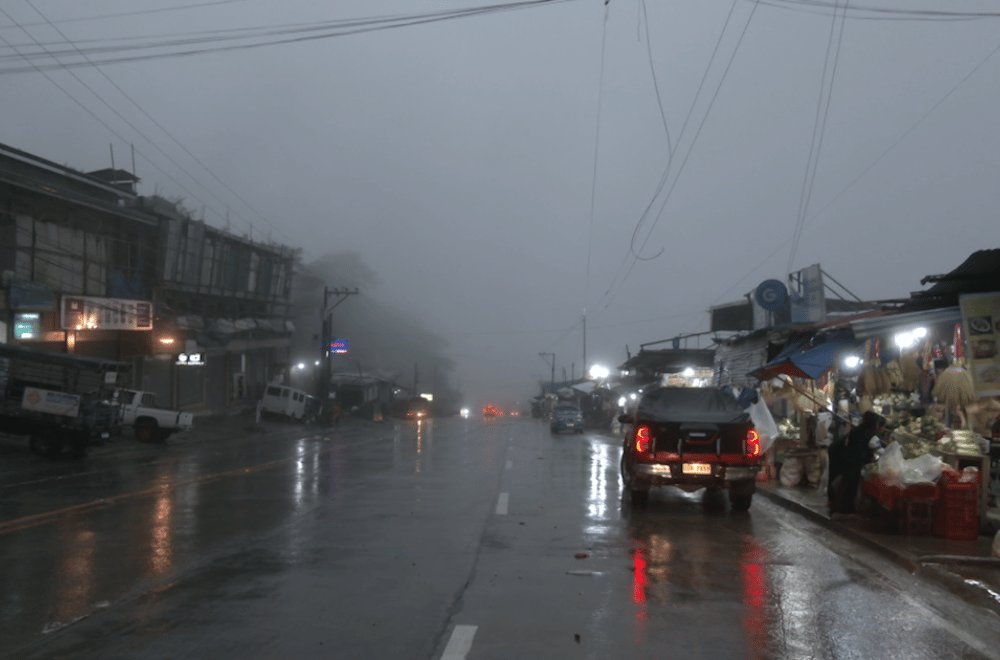
Public health experts said cooler temperatures and increased indoor crowding during the season create conditions that favor the spread of RSV and other respiratory viruses, and they encouraged families to maintain clean, well-ventilated living spaces.
The DOH urged individuals with chronic lung disease, heart disease, or other underlying medical conditions to seek medical advice if they develop respiratory symptoms and to avoid close contact with sick persons as much as possible.
Health professionals also recommended that people avoid sharing eating utensils, cups, or towels, and that they cover their mouth and nose with a tissue or the crook of the elbow when coughing or sneezing to reduce the spread of respiratory droplets.
Clinicians said RSV testing remains available in selected hospitals and laboratories, usually through swab samples from the nose or throat, and they explained that test results help guide clinical management, especially for high-risk patients.
The DOH announced that it continues to coordinate with hospitals, local government units, and surveillance units to monitor RSV and other influenza-like illnesses, and it said it will issue further advisories if significant changes in case trends occur.