
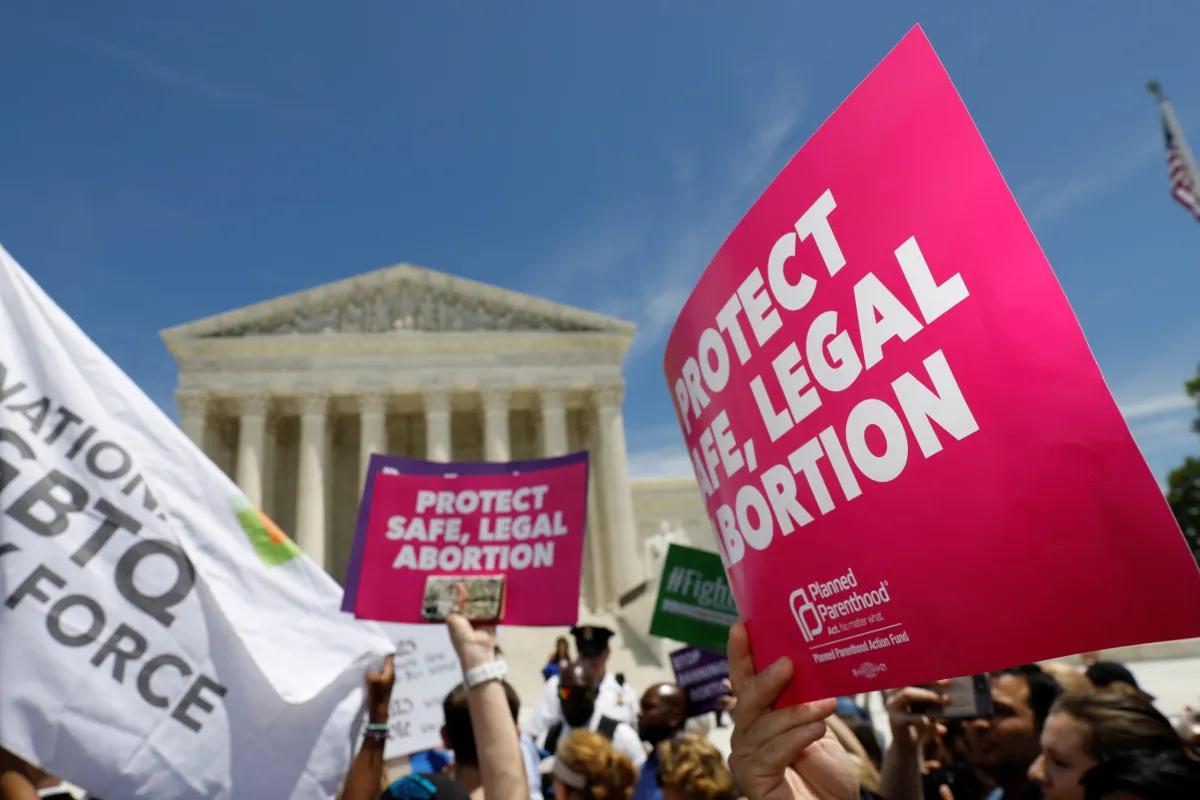
The Texas Third Court of Appeals on Friday, Jan. 17, allowed three Texas Planned Parenthood affiliates to continue a lawsuit in Austin challenging the 2021 Texas Heartbeat Act.
The said act which bans abortions after detection of cardiac activity and authorizes private citizens across the state to enforce the law through civil lawsuits, by ruling that the providers have standing to sue based on what the court described as credible threats of enforcement from the anti-abortion group Texas Right to Life.
The appeals court held that Planned Parenthood of Greater Texas, Planned Parenthood Gulf Coast and Planned Parenthood South Texas may pursue claims that the law’s private enforcement mechanism exposes them to a potentially unlimited number of lawsuits.
The providers filed the lawsuit in state court shortly before the Texas Heartbeat Act took effect in September 2021.
The plaintiffs named Texas Right to Life and several of its leaders as defendants, alleging that the group’s public statements and activities created a concrete threat of enforcement against abortion providers and those who assist patients.
Texas Right to Life has promoted the law’s enforcement scheme by encouraging private individuals to file lawsuits against anyone who performs or “aids or abets” an abortion after cardiac activity is detected in an embryo.
The Texas Heartbeat Act, also known as Senate Bill 8, prohibits most abortions around six weeks of pregnancy, before many patients know they are pregnant.
The law authorizes private citizens to seek at least $10,000 in statutory damages per abortion in civil court against providers or others who allegedly assist in an abortion that violates the statute.
The law bars state officials from directly enforcing the ban, which has limited previous legal challenges that relied on suing government actors.
The court concluded that the providers showed a sufficient likelihood of being targeted by lawsuits under the Texas Heartbeat Act to meet state standing requirements.
The lawsuit alleges that the law’s design, which enables any person to sue anywhere in Texas, creates a threat of repeated litigation that could force clinics to stop offering reproductive health services.
The case moves forward amid a separate Texas abortion law that took effect after the U.S. Supreme Court overturned Roe v. Wade in June 2022.
That later law, often described as a near-total abortion ban, allows abortions in Texas only when a pregnant patient’s life is at risk or in narrowly defined medical emergencies.
Since the 2022 ban took effect, abortion access in Texas has remained highly restricted, and most clinics have stopped providing abortion procedures.
The ongoing Planned Parenthood lawsuit focuses specifically on the Texas Heartbeat Act’s private enforcement structure and the legal exposure it creates for providers and individuals who assist patients.
The appeals court ruling did not block enforcement of the Texas Heartbeat Act or change existing abortion restrictions in Texas.